Ethical Manufacturing
Key Takeaways
- Understanding ethical manufacturing is vital for choosing sustainable workout gear.
- Ethical processes ensure that products are made without harm to the environment or workers.
- Sustainable materials play a key role in reducing the carbon footprint of workout gear.
- Consumers are increasingly valuing brands that adopt ethical manufacturing standards.
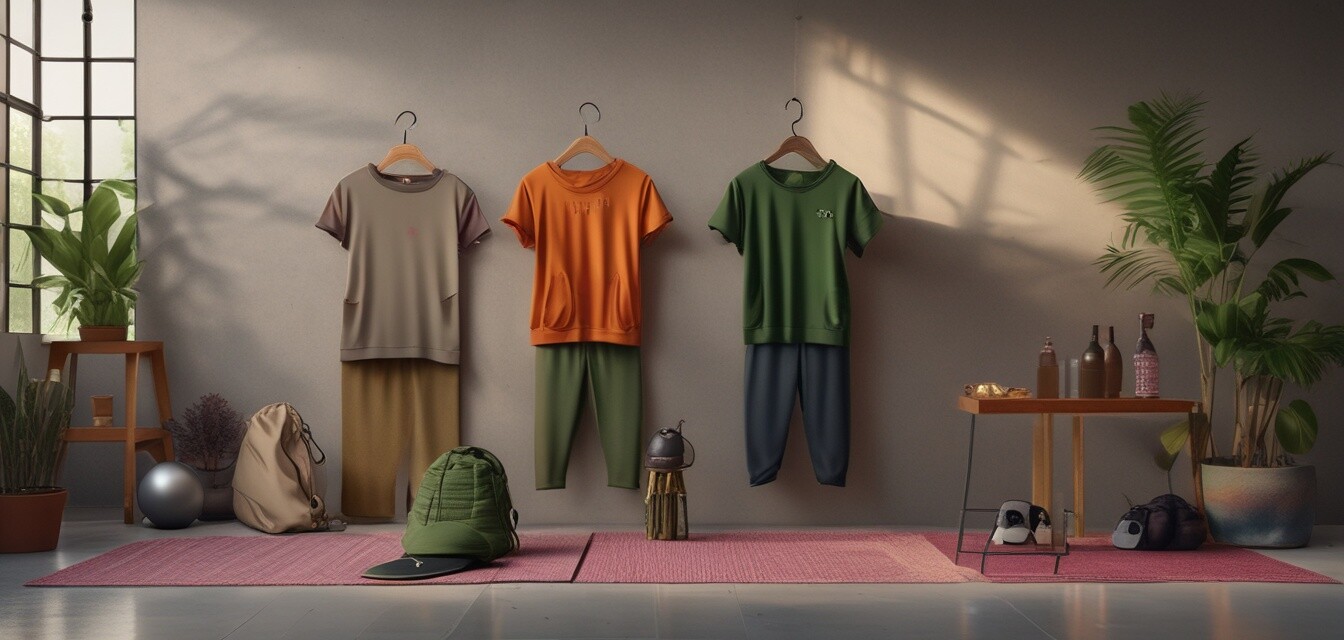
The rise of eco-conscious consumers has led to a significant focus on the importance of ethical manufacturing in the production of workout gear. This article delves into what ethical manufacturing means, how it applies to workout gear, and why it matters for both the environment and consumers.
What is ethical manufacturing?
Ethical manufacturing refers to the development of products in a way that prioritizes fair labor practices, environmental sustainability, and humane treatment of workers. This approach encompasses various standards and practices that ensure the entire supply chain is responsible and transparent.
Why is ethical manufacturing important in workout gear?
As fitness enthusiasts become more aware of the impact of their choices, ethical manufacturing stands out as a key component of responsible consumerism. Here are several reasons why:
- Maintains a sustainable ecosystem by using eco-friendly materials.
- Encourages fair wages and safe working conditions for laborers.
- Reduces pollution caused by non-sustainable production methods.
- Promotes a positive brand image and consumer trust.
Impact of sustainable materials
The use of sustainable and eco-friendly materials is critical in ethical manufacturing. These materials not only reduce the carbon footprint but also undergo processes that minimize waste. Some popular sustainable materials and their features include:
| Material | Description | Environmental Impact |
|---|---|---|
| Bamboo | A fast-growing plant that requires less water. | Biodegradable, reduces deforestation. |
| Organic Cotton | Grown without harmful pesticides and fertilizers. | Reduces soil degradation and water pollution. |
| Recycled Plastics | Plastic waste repurposed into usable materials. | Reduces marine pollution and energy consumption. |
How to identify ethical manufacturers
As consumers, it’s essential to know how to identify brands that adhere to ethical manufacturing standards. Look into the following factors:
- Transparency: Check if the company openly shares details about its supply chain and manufacturing processes.
- Certifications: Look for third-party certifications indicating fair labor practices and sustainable sourcing.
- Material choices: Consider brands that invest in sustainable materials.
- Community initiatives: Companies involved in projects that benefit local communities are often more ethical.
Pros and Cons of Ethical Manufacturing
Pros
- Contributes to environmental conservation.
- Improves worker welfare and conditions.
- Encourages corporate sustainability, enhancing brand image.
- Promotes consumer loyalty and trust.
Cons
- Higher production costs may lead to increased prices.
- Limited availability of materials can constrain product options.
- Some consumers may not prioritize ethical considerations.
Examples of ethical manufacturing in workout gear
Several brands have successfully integrated ethical manufacturing processes into their production lines. Examples include:
- Bamboo Fitness Accessories: Harnessing the power of bamboo for versatile workout tools.
- Biodegradable Exercise Equipment: Equipment crafted to break down naturally after use.
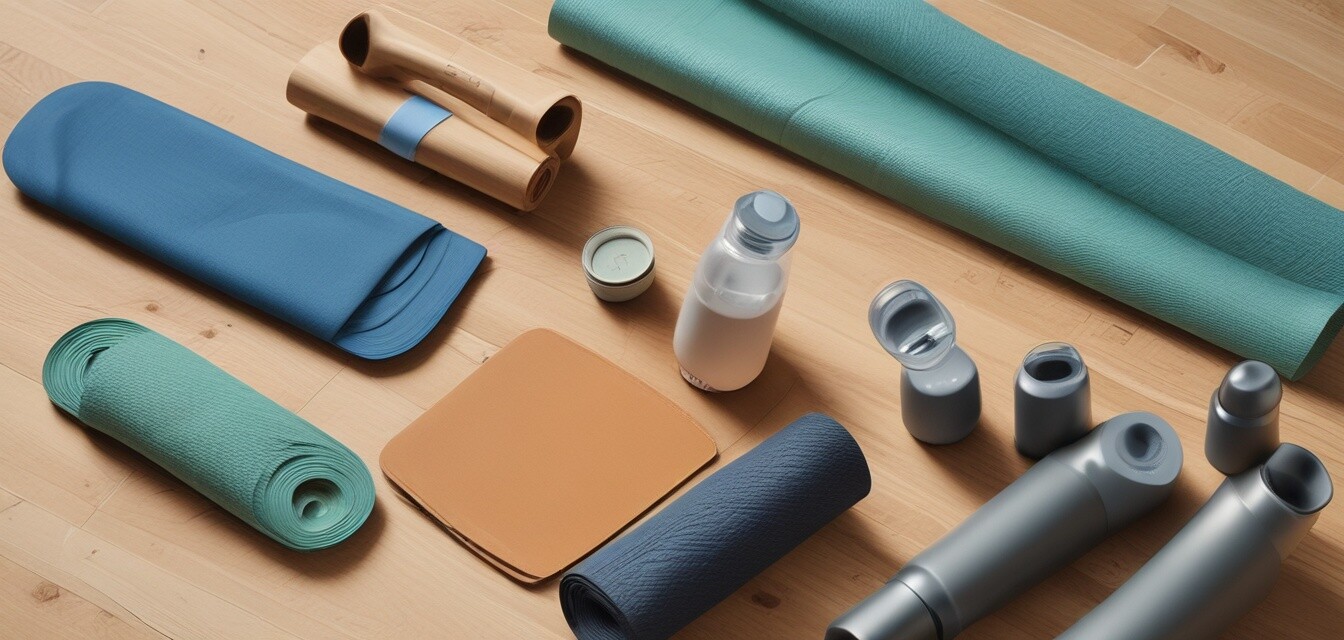
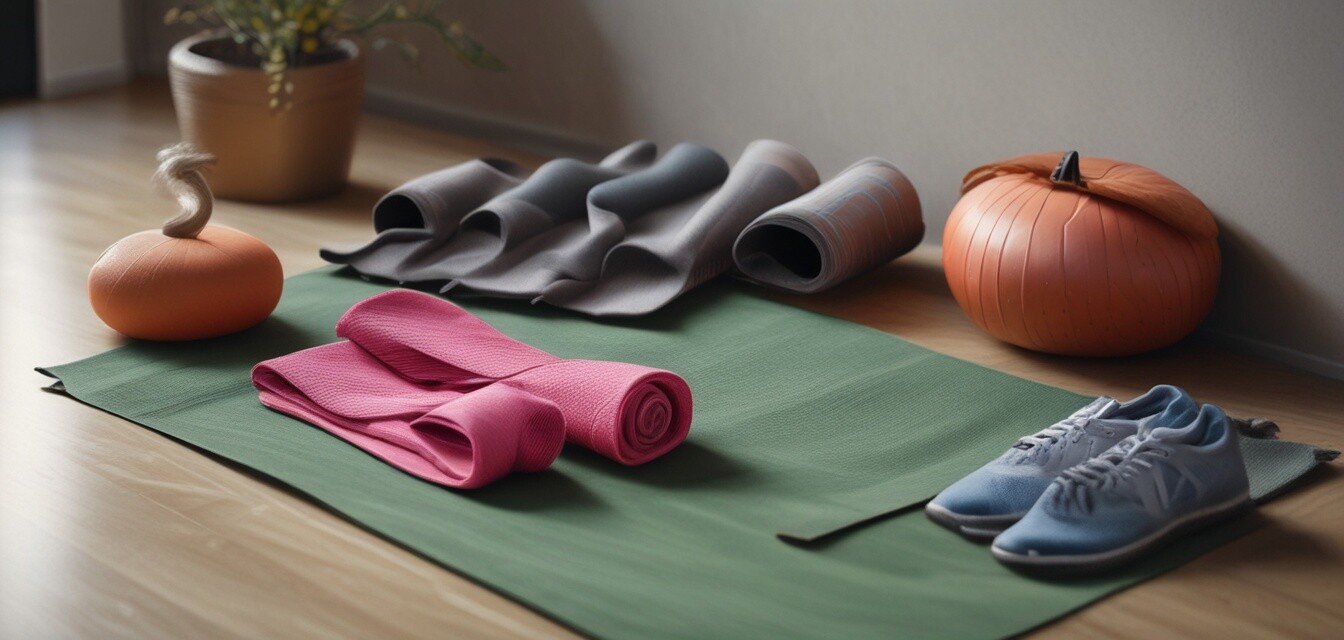
- Eco Yoga Mats: Mats designed using eco-conscious materials, enhancing your yoga experience.
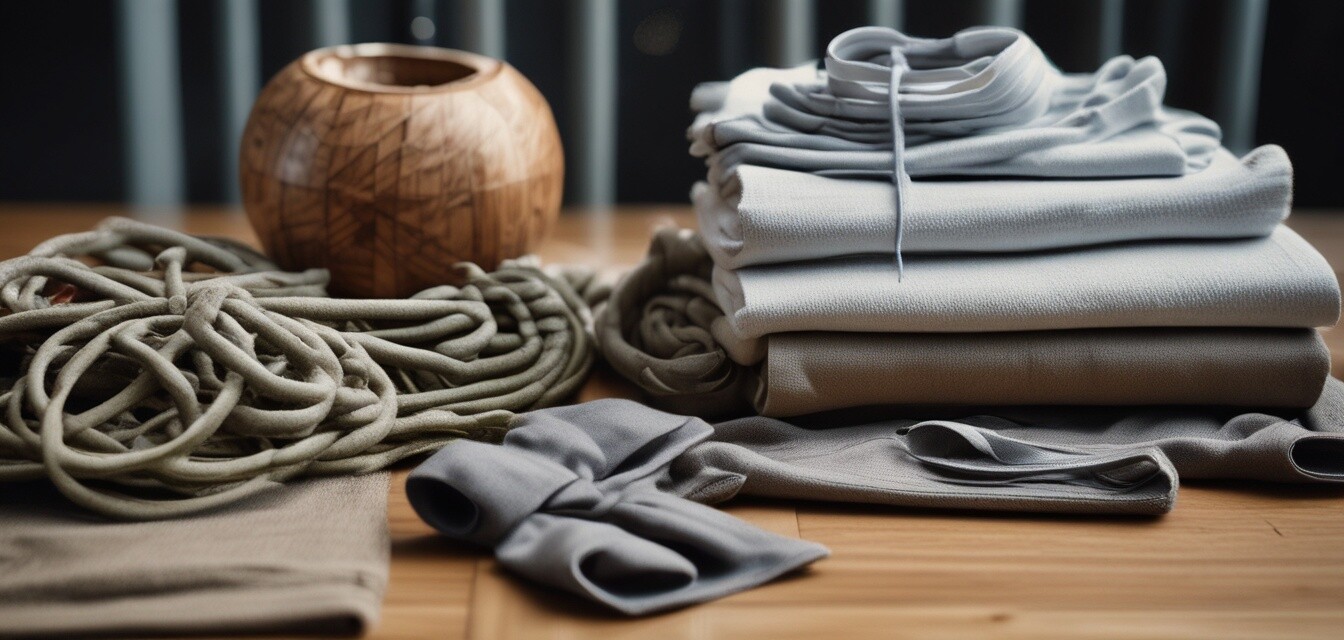
- Organic Cotton Activewear: Clothing made with ethically sourced organic cotton for ultimate comfort.
- Recycled Water Bottles: Sustainable hydration solutions crafted from recycled materials.
- Sustainable Training Shoes: Shoes built with respect for the environment without compromising performance.
Conclusion
Ethical manufacturing is becoming more critical in today's consumer landscape, especially in the fitness industry. By supporting brands that prioritize ethical manufacturing processes, consumers can contribute to a more sustainable future. As the demand for eco-friendly workout gear rises, understanding and advocating for ethical manufacturing is a step towards creating a healthier planet.
Tips for Beginners
- Start small: Choose one or two products made from sustainable materials.
- Research brands before buying: Invest time in understanding their sourcing and manufacturing practices.
- Ask questions: Don’t hesitate to reach out to brands regarding their ethical practices.
- Support local and small businesses: Often, these businesses have closer ties to their community and sustainability initiatives.