Sustainable Materials
- Sustainable workout gear helps reduce environmental impact.
- Popular materials include bamboo, organic cotton, and recycled plastics.
- Choosing eco-friendly products promotes ethical production practices.
- Investing in sustainable materials fosters a healthier planet for future generations.
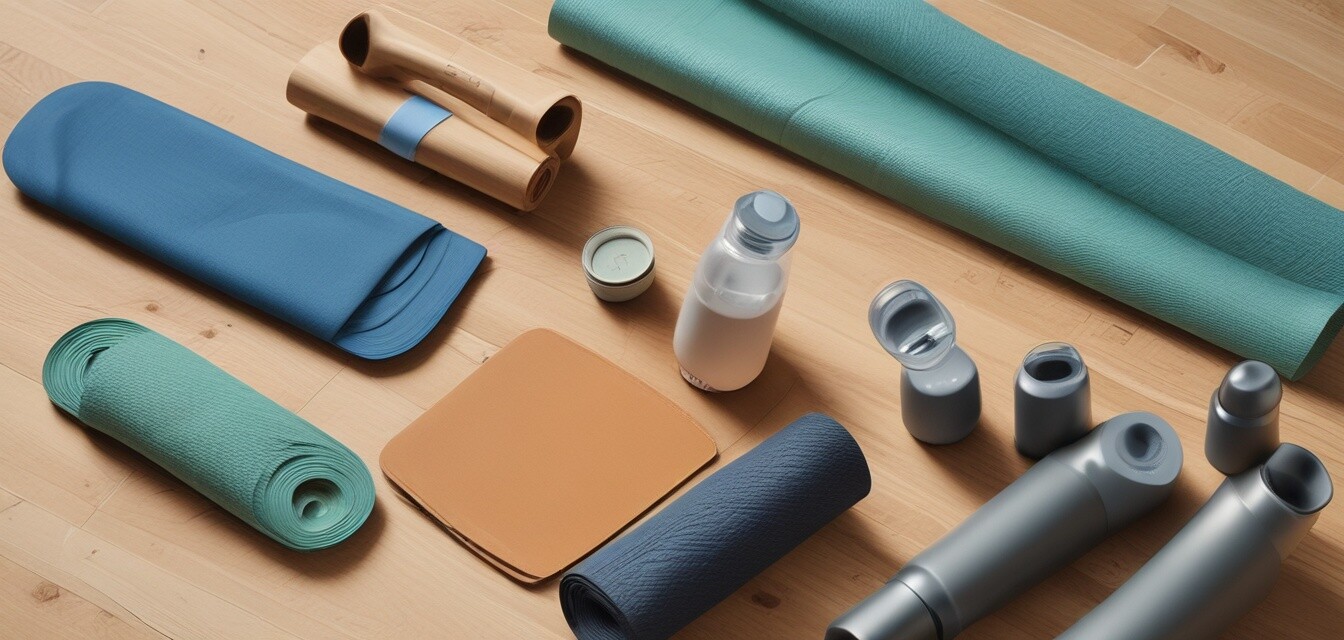
- Consider fitness accessories, yoga mats, and apparel made from these materials.
As fitness enthusiasts increasingly prioritize sustainability, eco-friendly workout gear is gaining popularity. This article will explore various sustainable materials used in workout products, their benefits, and how they contribute to a greener planet. Whether you're looking for new fitness accessories or activewear, understanding sustainable materials can help you make informed choices.
What are sustainable materials?
Sustainable materials are resources that are ethically sourced and designed to minimize environmental impact. These materials are often biodegradable, recyclable, or made from renewable resources. By choosing products made from sustainable materials, consumers can help reduce waste and promote a healthier ecosystem.
Types of Sustainable Materials Used in Workout Gear
| Material | Description | Benefits |
|---|---|---|
| Bamboo | A fast-growing grass that requires minimal water and no pesticides. | Soft, breathable, and biodegradable. |
| Organic Cotton | Cotton grown without synthetic pesticides and fertilizers. | Comfortable, breathable, and environmentally friendly. |
| Recycled Polyester | Made from recycled plastic bottles and other containers. | Reduces plastic waste and is durable. |
| Natural Rubber | A renewable material from rubber trees. | Eco-friendly and provides excellent grip. |
| Hemp | A low-impact crop requiring little water and no pesticides. | Strong, durable, and biodegradable. |
Benefits of Eco-Friendly Workout Gear
- Reduced Environmental Impact: Sustainable materials help conserve resources and reduce waste.
- Support for Ethical Production: Choosing sustainable products often means supporting fair labor practices.
- Durability: Many sustainable materials are designed to last longer, reducing the need for frequent replacements.
- Health Benefits: Eco-friendly products often have fewer harmful chemicals, making them safer for the body.
- Aesthetic Appeal: Many sustainable materials have unique textures and colors that enhance the overall look of workout gear.
Popular Sustainable Workout Gear Categories
| Category | Key Materials | Examples |
|---|---|---|
| Bamboo Fitness Accessories | Bamboo, natural rubber | Yoga blocks, resistance bands |
| Biodegradable Exercise Equipment | Biodegradable plastics | Dumbbells, kettlebells |
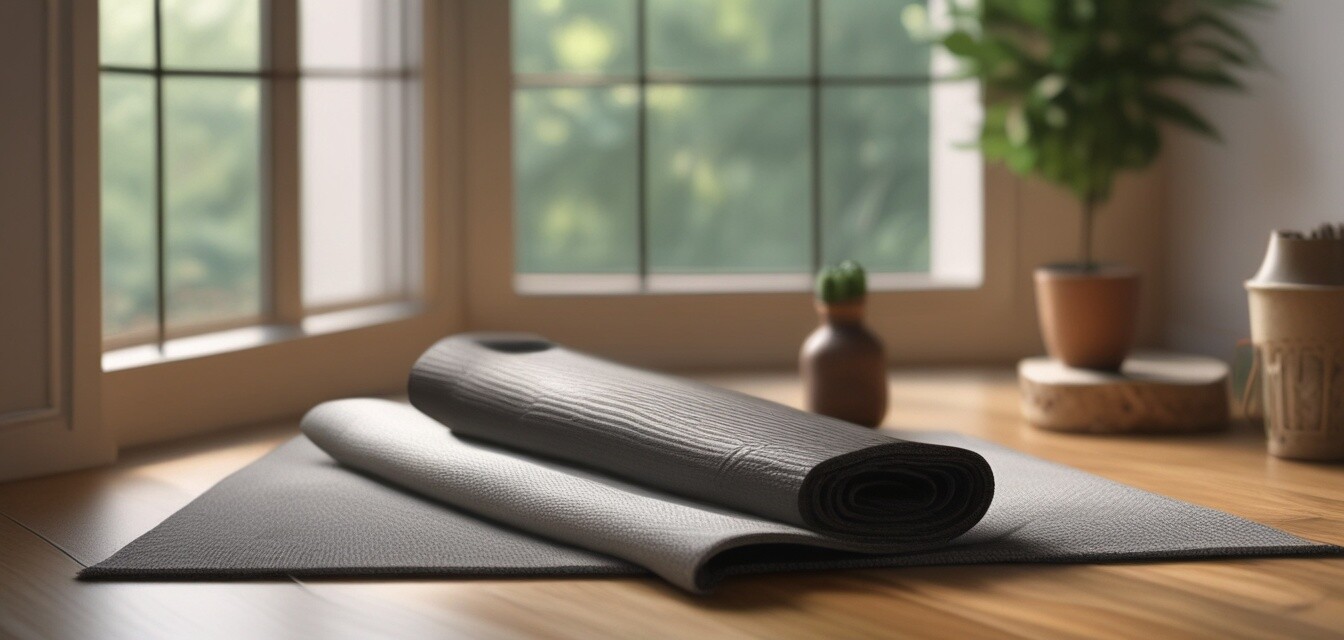
| Eco Yoga Mats | Natural rubber, jute | Bamboo yoga mats, cork mats |
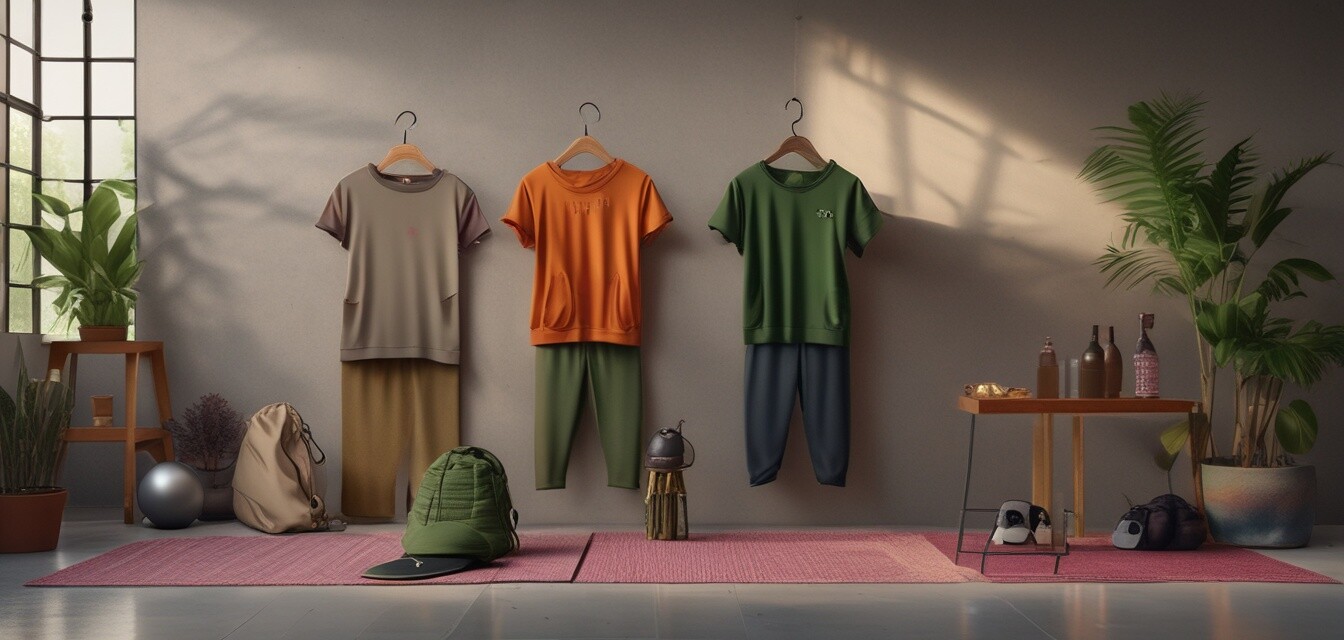
| Organic Cotton Activewear | Organic cotton, hemp | T-shirts, leggings |
| Recycled Water Bottles | Recycled plastic | Water bottles, travel mugs |
| Sustainable Training Shoes | Recycled materials, natural rubber | Running shoes, cross-trainers |
Tips for Choosing Sustainable Workout Gear
- Look for certifications such as GOTS (Global Organic Textile Standard) or OEKO-TEX.
- Research brands that prioritize sustainability and ethical practices.
- Opt for products that are designed for longevity to reduce waste.
- Check for materials like bamboo, organic cotton, and recycled plastics.
- Consider size and fit to avoid returns and unnecessary waste.
Challenges in Sustainable Materials
While sustainable materials offer numerous benefits, there are challenges associated with them. Some may be more expensive due to the cost of ethical production. Additionally, not all brands are transparent about their sourcing and manufacturing processes. Educating consumers about the importance of sustainability is crucial for overcoming these hurdles.
How to Incorporate Sustainable Materials Into Your Fitness Routine
Incorporating sustainable materials into your fitness routine is easier than ever. Start by replacing conventional workout gear with eco-friendly alternatives. Be mindful of the materials you choose when shopping for bamboo fitness accessories, biodegradable exercise equipment, or eco yoga mats. Additionally, consider the lifespan of your gear; aim for durable options that won't need frequent replacing.
Conclusion
Choosing sustainable materials for your workout gear is an impactful way to support ethical practices and protect our planet. By prioritizing eco-friendly products such as organic cotton activewear and recycled water bottles, you contribute to a healthier future. Start your journey towards a more sustainable fitness routine today!
Pros
- Environmentally friendly and reduces waste.
- Supports ethical labor practices.
- Durable and often more comfortable.
- Unique aesthetic appeal with various textures.
Cons
- Sometimes more expensive than conventional options.
- Limited designs or availability in some brands.
- Misleading claims by some manufacturers regarding sustainability.
Call to Action
Are you ready to make a positive change in your fitness journey? Explore our wide range of organic cotton activewear and other eco-friendly workout gear. Together, we can make a lasting impact!