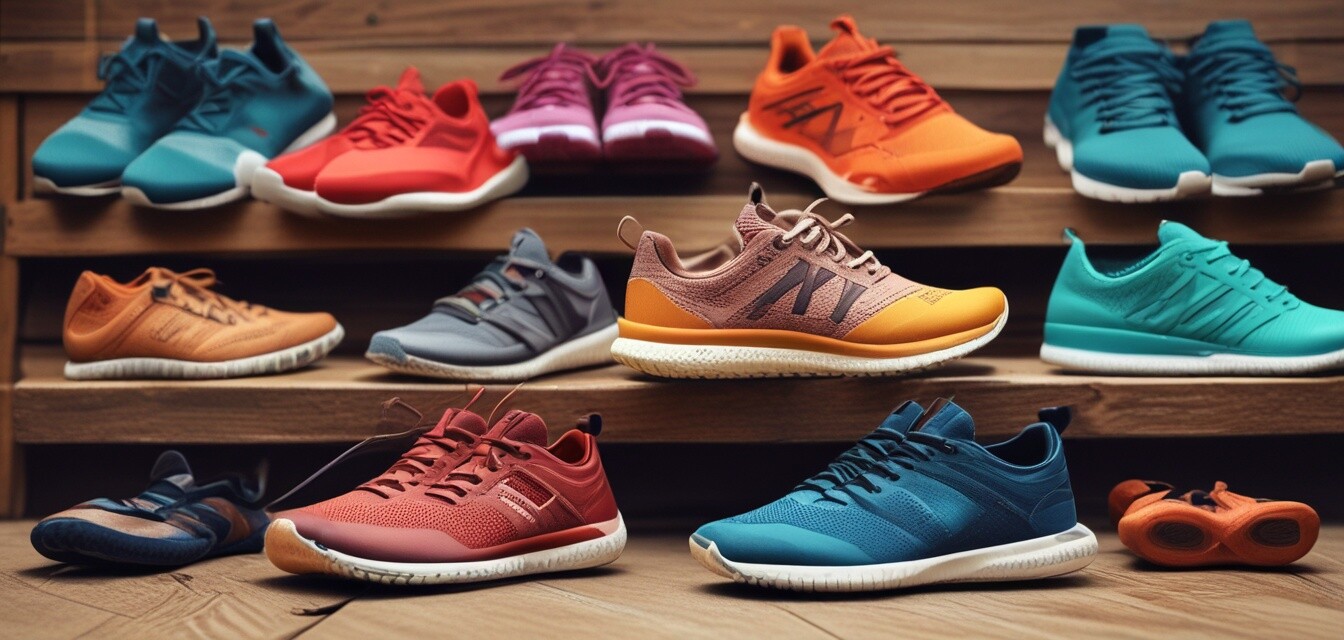
Best Eco-Friendly Workout Shoes for Every Activity
Key Takeaways
- Eco-friendly workout shoes come in various styles suitable for different activities.
- Materials such as recycled plastics, organic cotton, and sustainable leather are popular.
- Look for brands that prioritize ethical manufacturing processes.
- Certification labels can help you identify truly sustainable options.
- Investing in eco-friendly shoes supports the environment while enhancing your performance.
When it comes to fitness, many of us are always on the lookout for the best gear that not only supports our performance but also aligns with our values. Eco-friendly workout shoes have gained popularity as they combine sustainability with style and function. In this guide, we will explore various styles of eco-friendly workout shoes tailored for every type of fitness activity. Whether you're hitting the gym, going for a run, or practicing yoga, there’s a sustainable option for you.
Why choose eco-friendly workout shoes?
Choosing eco-friendly workout shoes is a step towards reducing your carbon footprint and promoting ethical consumerism. Here are some compelling reasons to consider:
- Environmental Impact: Many traditional shoe materials are harmful to the environment. Eco-friendly shoes often use sustainable materials that minimize waste.
- Health Benefits: Eco-friendly shoes are often free from harmful chemicals, making them a healthier option for both you and the planet.
- Performance: Sustainable materials don’t compromise on quality; many eco-friendly shoes are designed for optimal performance.
Types of eco-friendly workout shoes
Eco-friendly workout shoes are available in various types designed for different physical activities. Here’s a breakdown of the main categories:
| Type | Best For | Material Examples |
|---|---|---|
| Running Shoes | Road or trail running | Recycled mesh, natural rubber |
| Cross-Training Shoes | Mixed workouts | Organic cotton, recycled plastics |
| Yoga Shoes | Yoga and Pilates | Natural rubber, bamboo fibers |
| Walking Shoes | Daily walks | Eco-friendly leather, hemp |
| Cycling Shoes | Indoor and outdoor cycling | Recycled plastics, organic materials |
Materials to look for in eco-friendly shoes
When shopping for sustainable footwear, some vital materials you should consider include:
- Bamboo: A fast-growing plant that requires minimal resources.
- Recycled Plastics: Utilizing discarded plastics for shoe production helps reduce waste.
- Natural Rubber: A biodegradable alternative to synthetic materials.
- Organic Cotton: Grown without harmful pesticides, benefiting both the earth and the farmer.
- Hemp: A durable fiber that is also eco-friendly.
Certifications to look for
Look for shoes that have certifications indicating their sustainability. Here are some notable labels:
- Global Organic Textile Standard (GOTS): Certifies textiles made from organic fibers.
- OEKO-TEX: Ensures that materials are free from harmful substances.
- Fair Trade: Indicates ethical production standards and fair wages for workers.
- Recycled Materials Certification: Confirms the use of recycled materials in the shoes.
Additional tips for sustainable shopping
Tips for beginners
- Research brands and their practices before making a purchase.
- Prioritize quality over quantity; a long-lasting shoe is more sustainable than frequent replacements.
- Consider second-hand options to reduce demand for new materials.
- Check for local eco-conscious brands that support your community.
Conclusion
Choosing eco-friendly workout shoes is not just a personal decision; it reflects a commitment to a sustainable lifestyle. By opting for shoes made from ethical materials, you contribute to a healthier planet while enjoying superior performance in your fitness activities. For more insights into eco-conscious products, check out our other guides on eco-friendly buying guides or explore our selections in sustainable training shoes. Let’s make smart choices together and support brands that prioritize our environment.
Pros
- Environmentally sustainable materials.
- Often free from harmful chemicals.
- Designed for optimal performance.
- Supports ethical manufacturing practices.
Cons
- Some options may be pricier than non-eco-friendly shoes.
- Limited styles compared to mainstream brands.