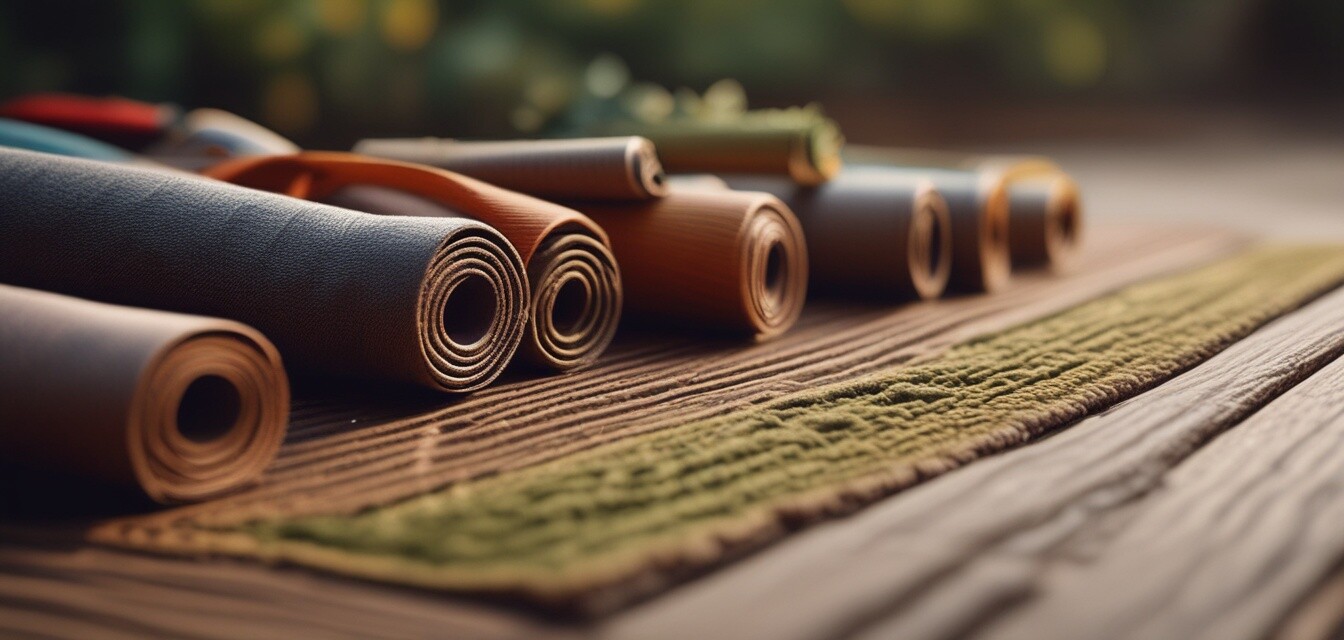
How to choose eco-friendly yoga mats
Key Takeaways
- Understand the different sustainable materials used in yoga mats.
- Look for certifications that ensure eco-friendliness and safety.
- Consider the thickness and texture that suit your practice style.
- Prioritize brands that adopt ethical manufacturing practices.
- Research and read reviews before making a final decision.
In the world of yoga, the right mat can make a significant difference in your practice. However, choosing an eco-friendly yoga mat not only enhances your experience but also protects our planet. This guide will help you understand the different sustainable materials used in yoga mats and how to select the best option for your practice.
Why choose eco-friendly yoga mats?
Eco-friendly yoga mats are designed with sustainable materials that minimize environmental impact. They are free from harmful chemicals and are often biodegradable or made from renewable resources. By choosing these mats, you contribute to a healthier planet while enjoying your yoga practice.
Common materials used in eco-friendly yoga mats
| Material | Description | Benefits |
|---|---|---|
| Bamboo | Made from sustainably sourced bamboo fibers. | Soft, durable, and biodegradable. |
| Cork | Harvested from the bark of cork oak trees. | Natural, anti-bacterial, and breathable. |
| Natural rubber | Produced from the sap of rubber trees. | Non-toxic, durable, and provides excellent grip. |
| TPE (Thermoplastic Elastomer) | Recyclable material that’s free of PVC. | Lightweight, durable, and eco-friendly. |
How to select the best eco-friendly yoga mat
1. Look for certifications
When shopping for eco-friendly yoga mats, look for certifications to ensure the product is truly sustainable. Common certifications include:
- Oeko-Tex Standard 100
- GS (Geprüfte Sicherheit)
- USDA Organic
2. Consider your practice style
Different styles of yoga require different mat characteristics. Consider the following:
- For hot yoga, choose a mat with superior grip when wet.
- For restorative practices, opt for thicker mats for additional cushioning.
- If you travel frequently, lightweight and portable mats are preferable.
3. Evaluate thickness and texture
The thickness of the mat impacts your comfort and stability. Typical thickness options include:
- 1/8 inch: Standard thickness for most practices.
- 1/4 inch: More cushioning for sensitive joints.
- Travel mats: Usually about 1/16 inch for portability.
Brands that prioritize sustainability
Support brands that focus on sustainable practices. Look for companies that implement:
- Ethical sourcing of materials.
- Green manufacturing processes.
- Recycling programs for old mats.
Maintaining your eco-friendly yoga mat
To prolong the life of your mat, follow these maintenance tips:
- Clean regularly with a gentle soap and water solution.
- Avoid exposing it to direct sunlight for prolonged periods.
- Store in a dry place to avoid mold growth.
Where to purchase eco-friendly yoga mats
Discover a variety of eco-friendly yoga mats at our category page for eco yoga mats. Make sure to check customer reviews and ratings before purchasing.
Tips for beginners
- Start with a basic mat and upgrade as you learn what suits you.
- Don't hesitate to try out different brands and materials.
- Consider attending yoga workshops to gain insights on mat performance.
Pros
- Environmentally friendly materials.
- Non-toxic and safe for use.
- Durable and long-lasting options available.
Cons
- Can be more expensive than conventional mats.
- Some may have a break-in period.
- Limited variety based on eco-friendly criteria.
Choosing the right eco-friendly yoga mat can enhance your practice while supporting a healthier planet. For more information on sustainable workout gear, explore our Eco-Friendly Buying Guides to make informed choices that align with your values.