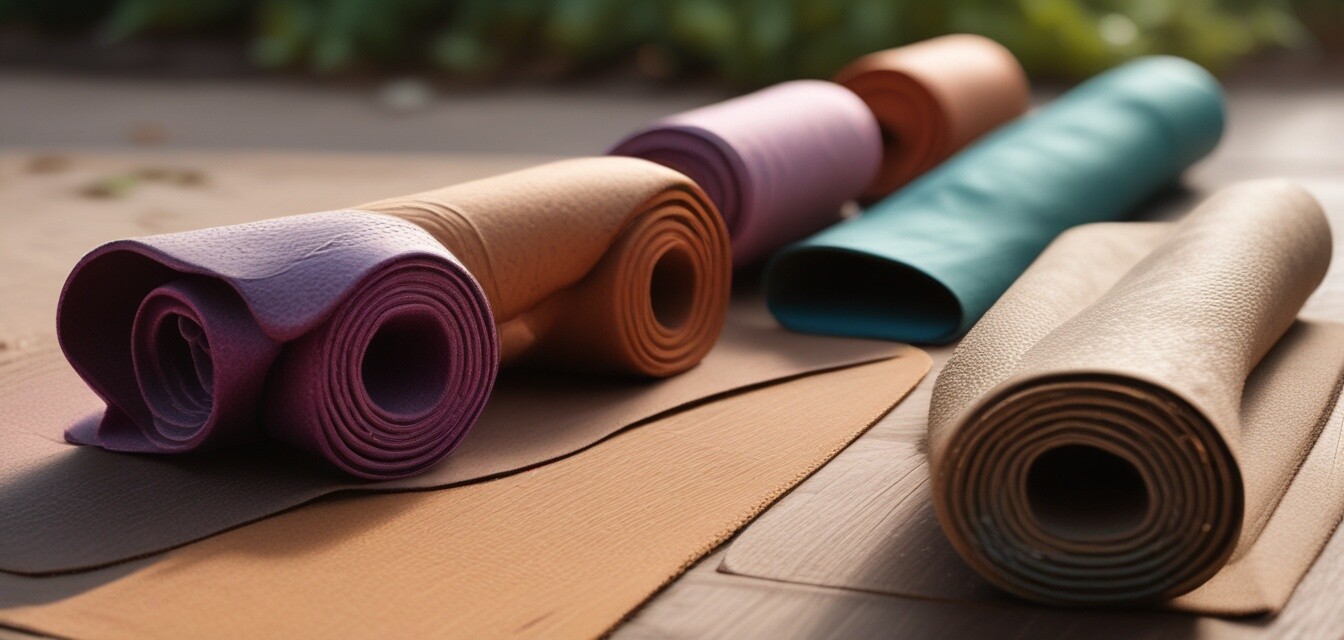
Essential Features of a Sustainable Yoga Mat
- Look for eco-friendly materials such as natural rubber, jute, or organic cotton.
- Check for certifications indicating sustainability and non-toxicity.
- Consider the weight and portability for easy travel.
- Thickness matters: a comfortable cushion is essential for your practice.
- Durability ensures longevity, reducing the need for replacements.
In an era where sustainability is increasingly important, choosing a yoga mat that aligns with your environmental values can enhance your practice. This guide will help you understand the essential features of a sustainable yoga mat, aiding beginners in selecting gear that meets eco-friendly standards.
Why Choose a Sustainable Yoga Mat?
Yoga mats are an essential part of yoga practice, providing a foundation for postures and movements. However, many standard mats are made from harmful materials that damage the environment. By opting for a sustainable yoga mat, you contribute to preserving the planet while enjoying your practice. Let's explore key features to look for.
1. Eco-Friendly Materials
Your yoga mat should be made from environmentally friendly materials that cause minimal harm during production and disposal. Here are some popular options:
| Material | Feature |
|---|---|
| Natural Rubber | Biodegradable and offers excellent grip. |
| Jute | Renewable resource, good for grip, and durable. |
| Organic Cotton | Soft and breathable, but less durable than other materials. |
| TPE (Thermoplastic Elastomer) | Recyclable and free from toxic chemicals. |
2. Certifications to Look For
Choosing mats with certifications can guide you toward sustainable choices. Keep an eye out for:
- OEKO-TEX: Ensures the absence of harmful substances.
- GreenGuard: Certifies low chemical emissions.
- Recycled Materials: Check for items made from recycled content.
3. Comfort and Thickness
Thickness plays a vital role in providing comfort during practice. Consider the following:
- 4mm to 6mm: Ideal for beginners seeking cushioning for knees and wrists.
- 8mm or more: Good for restorative yoga but may be less stable for dynamic practices.
4. Lightweight and Portable
If you plan to travel with your mat, choose a lightweight design that is easy to carry. Here’s a comparison of some eco-friendly yoga mats worth considering:
| Product Name | Material | Thickness | Dimensions (LxWxTh) |
|---|---|---|---|
| June & Juniper Light Yoga Mat | Microfiber | 3.5mm | 177.8L x 61W x 0.2Th cm |
| Sensu Large Yoga Mat | 16P-ECO Material | 9mm | 183L x 122W x 0.9Th cm |
| Liforme Original Yoga Mat | Rubber | 4.2mm | 185L x 68W x 0.4Th cm |
5. Durability
Investing in a durable mat means it will last longer, ultimately reducing waste. Look for:
- High-quality materials that withstand wear and tear.
- Resistant to tearing and fading, even with frequent use.
- A warranty or guarantee that reflects the product's quality.
Conclusion
By selecting a sustainable yoga mat, you make a commitment to your practice and the planet. Keep these essential features in mind when shopping, and don’t forget to explore eco-friendly buying guides for other workout gear. Remember that a better planet starts with mindful choices in your daily life.
For more tips on sustainable practices, check out our informative resource on non-toxic gym accessories or ethical manufacturing.
Tips for Beginners
- Always test the mat for comfort and grip before purchasing.
- Wash your mat regularly to maintain cleanliness.
- Engage with fellow green yogis to share experiences and tips.
Pros
- Sustainable materials reduce environmental impact.
- Comfortable thickness caters to various practices.
- Portable options available for travel enthusiasts.
Cons
- High-quality sustainable mats can be pricier.
- Some eco-friendly materials may require specific care instructions.