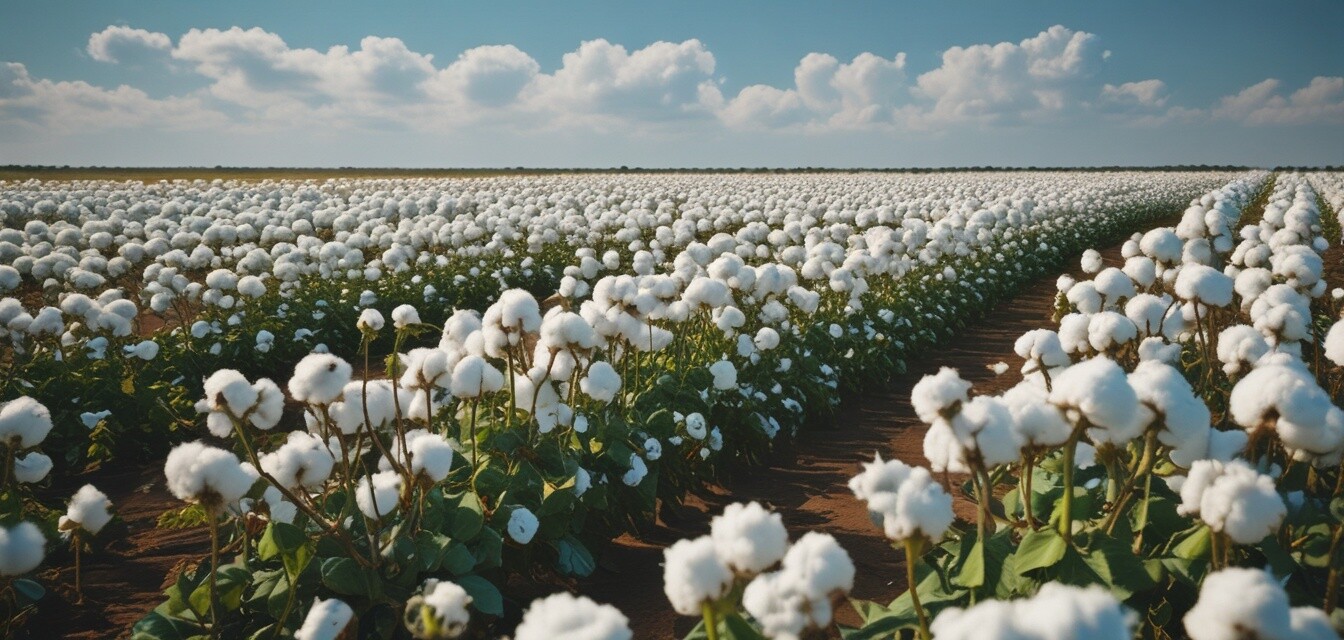
Exploring Fabrics: Pros and Cons of Organic Cotton
Key Takeaways
- Organic cotton is grown without synthetic pesticides, making it safer for the environment.
- It typically has a softer feel and is more breathable than conventional cotton.
- Production may be more expensive, which can affect the price of activewear.
- Be aware of certifications to ensure quality standards are met.
As sustainability gains more importance in the fashion industry, organic cotton emerges as a popular choice for eco-conscious consumers, especially in the realm of activewear. This article explores the pros and cons of organic cotton, allowing consumers to make informed decisions when purchasing workout gear.
What is Organic Cotton?
Organic cotton refers to cotton that is grown without the use of harmful pesticides and fertilizers. Instead, it relies on natural farming methods and non-toxic practices. This not only benefits the environment but also enhances the quality of the fabric used in workout gear and activewear.
Pros of Organic Cotton
Pros
- Environmentally sustainable: Organic farming methods reduce harm to ecosystems.
- Comfort: Offers a softer texture and increased breathability compared to conventional cotton.
- Reduces chemical exposure: Better for those with sensitive skin or allergies.
- Durability: Often, organic cotton is stronger and lasts longer in wear.
Cons
- Higher costs: The production process can make organic cotton items more expensive.
- Availability: It might be harder to find in mainstream stores.
- Care requirements: Some organic cotton fabrics may require special washing instructions.
Comparison: Organic Cotton vs. Conventional Cotton
| Attribute | Organic Cotton | Conventional Cotton |
|---|---|---|
| Farming Practices | No synthetic pesticides or fertilizers | Often treated with harmful chemicals |
| Environmental Impact | Lower negative impact | Higher negative impact |
| Softness | Typically softer | Varies |
| Price | Generally higher | Usually cheaper |
Purchasing Organic Cotton Activewear
When considering organic cotton for your workout gear, keep the following tips in mind:
- Check for certifications such as GOTS (Global Organic Textile Standard) to ensure quality.
- Research brands that prioritize sustainability and ethical production practices.
- Compare products to identify the best value for your needs.
- Take care of your garments to maximize their lifespan by following proper washing instructions.
Featured Product: The Complete Magnolia Bakery Cookbook
 A must-have for healthy recipes
The Complete Magnolia Bakery Cookbook
This cookbook offers a delightful array of breakfast recipes that can complement a healthy lifestyle, perfect for those who cherish sustainability in their cooking.
Explore NowConclusion
Organic cotton is an excellent choice for those looking to purchase eco-friendly workout gear. It provides numerous benefits while contributing to a healthier planet. We encourage consumers to explore options available in the market and make informed decisions that are both sustainable and beneficial for their fitness journey.
Further Reading
For additional insights on eco-friendly products and sustainable practices, check out these informative resources: