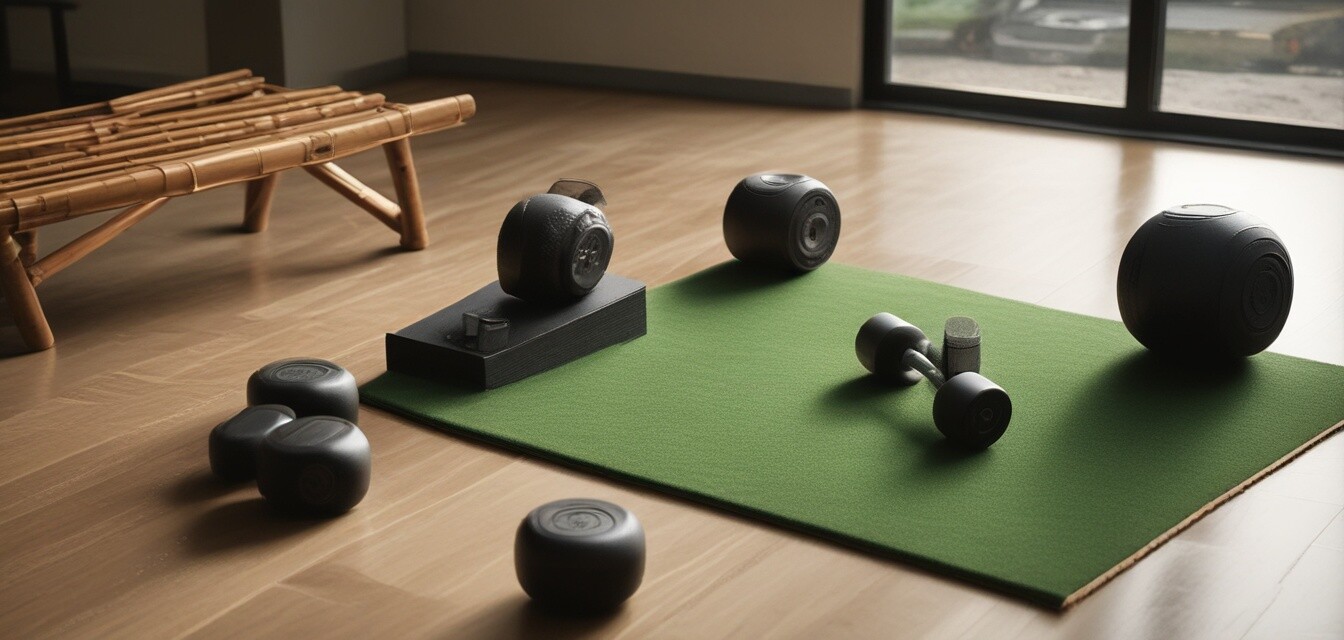
Choosing Eco-Friendly Gym Accessories
Key Takeaways
- Opt for accessories made from sustainable materials like bamboo or biodegradable plastics.
- Consider the long-term durability and lifespan of the products before purchasing.
- Prioritize brands that demonstrate ethical labor practices and transparency.
- Learn how to care for your eco-friendly gym gear to extend its life and reduce waste.
- Explore local sourcing options to further minimize your carbon footprint.
As we become more conscious of our environmental impact, making sustainable choices in our workout routines is vital. Eco-friendly gym accessories not only enhance our experience but also help us contribute to a healthier planet. This guide will help you navigate the selection of gym accessories that are both practical and sustainable.
The importance of eco-friendly gym accessories
Eco-friendly gym accessories are essential for creating a sustainable fitness routine. Here are a few reasons why:
- Reduced Waste: Many traditional gym accessories are made from non-biodegradable materials that contribute to landfill waste.
- Healthier for You and the Planet: Eco-friendly products often avoid harmful chemicals and toxins found in synthetic materials.
- Supporting Ethical Practices: Many eco-friendly brands prioritize fair labor practices and sustainable sourcing.
Types of eco-friendly gym accessories
When choosing eco-friendly accessories, consider the following categories:
| Accessory Type | Eco-Friendly Material Examples | Benefits |
|---|---|---|
| Bamboo Fitness Accessories | Bamboo, natural fibers | Durable, biodegradable, lightweight |
| Biodegradable Exercise Equipment | Recycled plastics, plant-based materials | Reduces environmental impact, often lighter |
| Eco Yoga Mats | Natural rubber, jute, organic cotton | Free from harmful chemicals, improved grip |
| Sustainable Training Shoes | Recycled materials, organic cotton | Less waste, often more comfortable |
How to choose eco-friendly gym accessories
Here are some tips to help you make informed purchasing decisions:
Beginner's Tips
- Research brands that prioritize eco-friendly practices. Check their sustainability reports.
- Seek out local vendors who use sustainable resources in their products.
- Read product reviews to gauge the quality and longevity of items.
- Choose multifunctional accessories that minimize your overall purchase.
- Look for accessories that come with a warranty or satisfaction guarantee, indicating quality.
Caring for your eco-friendly gym accessories
To extend the life of your eco-friendly gear, consider the following care guidelines:
- Follow care instructions provided by the manufacturer.
- Wash washable items in cold water to minimize energy use.
- Store items in a cool, dry place to avoid damage from moisture or heat.
- Use biodegradable cleaning products to maintain the items without harming the environment.
- Repair rather than replace when possible – it’s often more sustainable!
Finding eco-friendly gym accessories
Finding the right products can feel overwhelming. Here are some resources:
- Check out our bamboo fitness accessories for a sustainable approach.
- Consider trying biodegradable exercise equipment for reducing your carbon footprint.
- Visit our collection of eco yoga mats that provide comfort and sustainability.
- Explore sustainable training shoes that support ethical manufacturing practices.
Conclusion
When it comes to gym accessories, making eco-friendly choices is more than just a trend – it's a way of life. By selecting sustainable products, you're supporting a healthier planet and ensuring that your fitness routine aligns with your values. Start making small changes today, and you'll contribute to a more sustainable future while enjoying your workouts.
Pros
- Environmentally friendly materials
- Support for ethical brands
- Healthier options due to fewer chemicals
- Durable products can last longer, saving cost in the long run
Cons
- Higher upfront cost compared to conventional options
- Limited availability of certain products
- Some may lack the same performance as synthetic alternatives