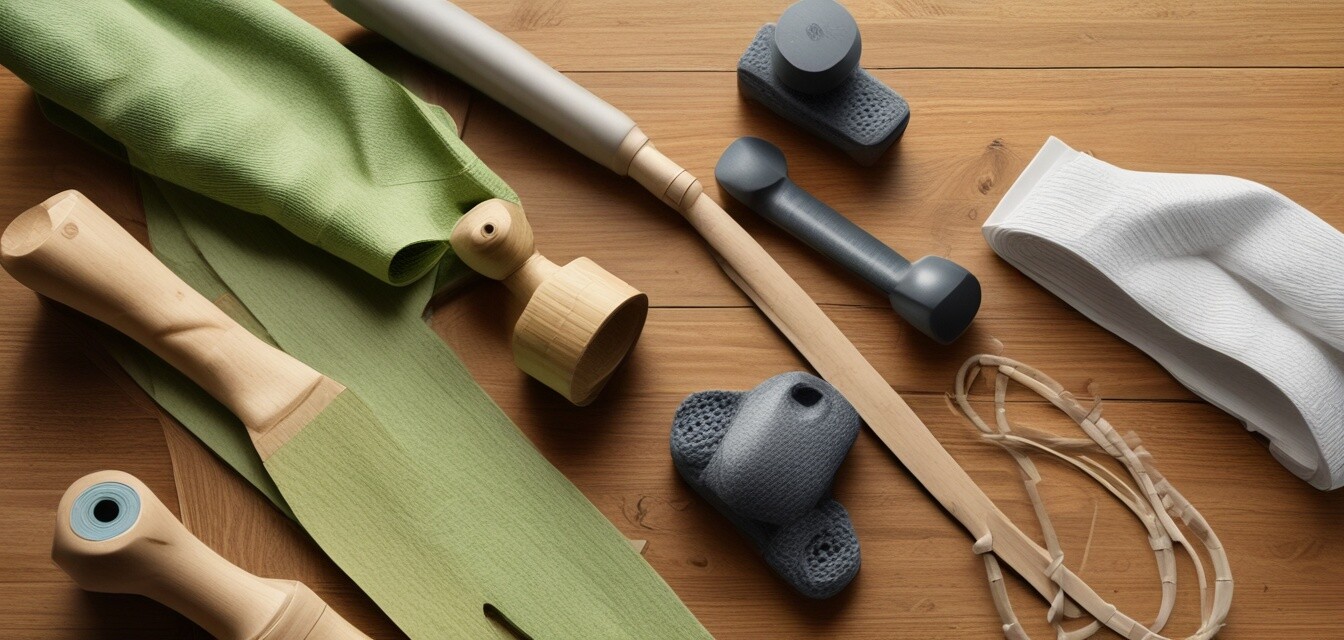
Exploring Eco-Friendly Alternatives to Traditional Gear
- Eco-friendly alternatives reduce environmental impact.
- Material choices are crucial for sustainability.
- Choosing local and biodegradable options can enhance your workout experience.
- Incorporating natural materials, like bamboo, supports eco-conscious brands.
- Making small changes now leads to a greener fitness future.
The fitness industry is evolving, with a growing emphasis on sustainability and environmental responsibility. As more people become conscious of their ecological footprint, there's increasing interest in eco-friendly alternatives to traditional workout gear. This article explores innovative and practical options that not only enhance your fitness routine but also contribute positively to the environment.
The Importance of Eco-Friendly Gear
The shift towards eco-friendly gear is more than just a trend; it's a necessary step in the battle against climate change. Traditional fitness gear often uses materials that are harmful to the environment, from their production process to their disposal. By choosing sustainable options, you can help reduce waste, lower your carbon footprint, and support companies that prioritize ethical practices.
Material Matters
The materials used in fitness gear play a significant role in determining its environmental impact. Here’s a breakdown of some common materials found in eco-friendly workout equipment:
| Material | Description | Environmental Benefits |
|---|---|---|
| Bamboo | A fast-growing grass that is both strong and lightweight. | Biodegradable and requires less water than traditional crops. |
| Recycled polyester | Made from recycled plastic bottles and containers. | Reduces plastic waste and conserves resources. |
| Cork | A renewable resource harvested from cork oak trees. | Supports forest conservation and is biodegradable. |
| Natural rubber | A sustainable material derived from rubber trees. | Biodegradable and comes from renewable sources. |
Innovative Eco-Friendly Equipment
Let's explore some popular eco-friendly alternatives that can replace your traditional workout gear:
Bamboo Fitness Accessories
Bamboo fitness accessories such as resistance bands, yoga blocks, and mats provide a sustainable alternative. These products are durable and provide excellent performance without the negative environmental impacts associated with plastic.
- Durable and lightweight
- Natural antibacterial properties
- Biodegradable
Biodegradable Exercise Equipment
If you’re looking for equipment that breaks down naturally at the end of its life cycle, biodegradable exercise equipment is your best friend. Items ranging from dumbbells to yoga straps can now be found made from materials that decompose without harming the environment.
- Reduces landfill waste
- Crafted from renewable resources
- Improves your eco-friendly workout routine
Eco Yoga Mats
Conventional yoga mats are often made of PVC, a material harmful to both the environment and users. Eco-friendly yoga mats are typically crafted from natural or recycled materials, offering more than just comfort and grip—they contribute to a healthier planet.
- Non-toxic materials
- Better grip and cushion for your yoga practice
- Support ethical sourcing practices
Sustainable Training Shoes
Several brands have started creating running and training shoes using recycled materials or alternative resources. Sustainable shoes can significantly reduce waste without compromising performance or comfort.
- Lightweight and breathable designs
- Durability without harmful chemicals
- Support for sustainable practices in fashion
Where to Buy Eco-Friendly Gear
There are several online platforms and local stores that specialize in eco-friendly workout gear. Consider checking out the following categories for more sustainable options:
- Bamboo Fitness Accessories
- Biodegradable Exercise Equipment
- Eco Yoga Mats
- Sustainable Training Shoes
Tips for Maintaining Eco-Friendly Gear
Beginner’s Section
- Always follow care instructions on your gear to prolong its life.
- Clean your eco-friendly equipment with natural products to avoid damaging their materials.
- Store your gear properly to maintain its shape and durability.
- Consider DIY options for repairs instead of replacements.
- Educate yourself on the recycling and disposal of your gear once it's at the end of its life.
Conclusion
Making the switch to eco-friendly workout gear is a step towards a healthier planet and promotes sustainable practices in fitness. By exploring the vast options available, you can take charge of your workouts while ensuring that your choices are beneficial for both you and the environment. Remember, every small change makes a big difference!