Tips for Incorporating Eco Yoga Mats into Your Practice
Key Takeaways
- Choose eco-friendly yoga mats made from sustainable materials.
- Understand the importance of mat care to extend its life and maintain its eco-friendliness.
- Consider the size and thickness of your yoga mat for added comfort during workouts.
- Incorporate DIY techniques to enhance your yoga practice.
- Be mindful of your impact on the environment by reducing waste in your fitness routine.
Yoga has long been known as a path to physical, mental, and spiritual wellness. However, as more practitioners seek eco-friendly solutions, incorporating sustainable yoga mats into your practice is a great way to connect your wellness journey with environmental responsibility. In this article, we'll share useful tips on how to integrate eco-friendly yoga mats into your practice effectively, benefiting both your health and the planet.
Why Choose Eco-Friendly Yoga Mats?
Eco-friendly yoga mats are made from sustainable materials, leading to a lower environmental impact. They are often free from harmful chemicals, phthalates, and other toxins, making them safer for both you and the planet.
Materials to Look For
When selecting an eco-friendly yoga mat, consider the materials used in its production:
- Bamboo Fiber: Naturally antibacterial and biodegradable.
- Natural Rubber: Durable and provides great grip without toxic chemicals.
- TPE (Thermoplastic Elastomer): Lightweight and recyclable, making it a suitable choice.
- Jute: An unconventional yet sustainable option that is biodegradable.
Features of a Quality Eco Yoga Mat
For an optimal workout experience, choose a mat that provides:
- Non-slip surface to prevent accidents during poses.
- Comfortable thickness (ideally 5mm to 10mm) for cushioning joints.
- Durability to withstand frequent use without degrading.
Recommended Product
 Top Choice
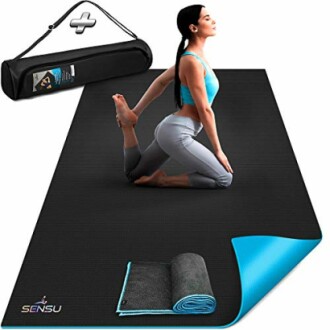
Sensu Large Yoga Mat
This eco-friendly mat offers extra thickness and a non-slip surface, making it ideal for yogis of all levels.
Learn MoreIntegrating Your Eco Yoga Mat into Practice
Once you have your eco-friendly mat, it's time to incorporate it into your routine. Here are some tips:
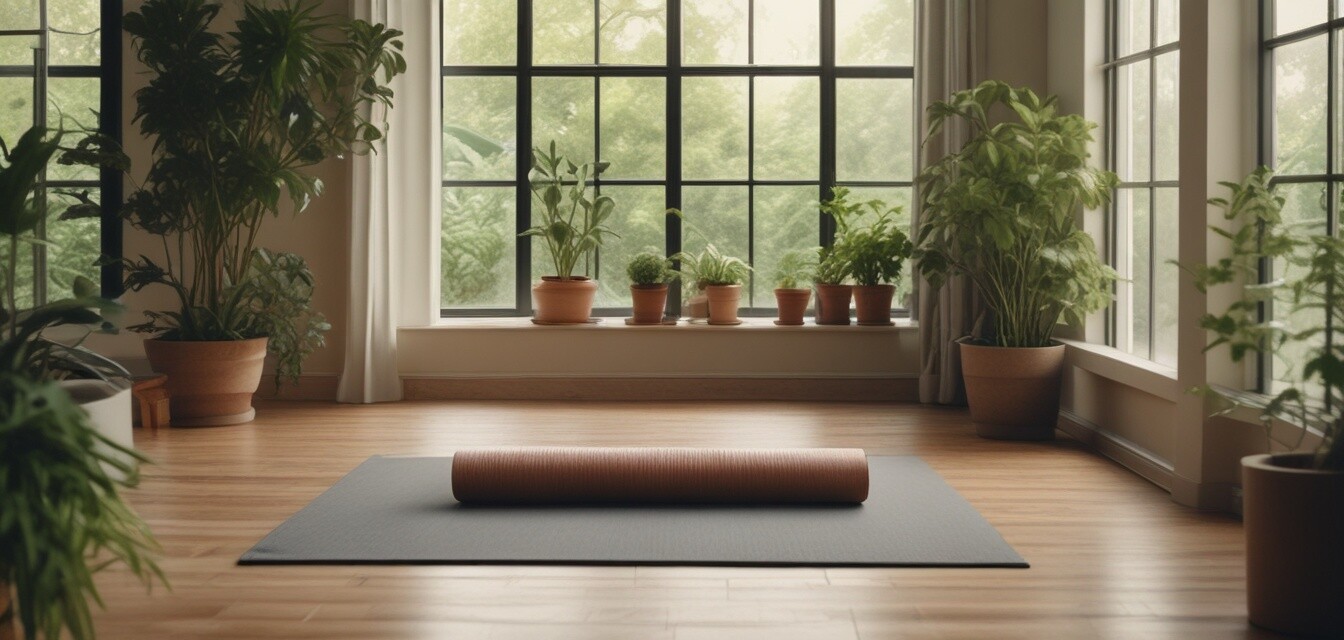
- Designate a Yoga Space: Create a peaceful environment that aligns with your practice goals.
- Use Proper Cleaning Techniques: Regularly hand wash your mat to maintain its integrity and cleanliness.
- Incorporate Yoga Accessories: Use additional eco-friendly accessories like blocks and straps to enhance your practice.
- Try DIY Techniques: Make your own mat cleaner with natural ingredients to avoid toxic chemicals.
Key Care Instructions
| Care Method | Description |
|---|---|
| Hand Wash Only | Keep your eco yoga mat in top condition by hand washing with mild soap and water. |
| Air Dry | Always air dry your mat out of direct sunlight to prevent damage. |
| Store Flat | Store your mat flat or rolled in a cool dry place to maintain its shape. |
Conclusion
Incorporating an eco-friendly yoga mat into your practice is not only beneficial for your wellbeing but also contributes positively to the environment. By choosing sustainable materials, caring for your equipment, and following these tips, you can enhance your yoga routine while supporting a greener planet. For more resources on eco-friendly material options, check out our article on Sustainable Materials.
Related Articles
- Non-Toxic Gym Accessories
- Innovations in Sustainable Gear
- DIY Eco Workout Products
- Latest Trends in Eco-Friendly Fitness
- The Beginner's Guide to Fitness