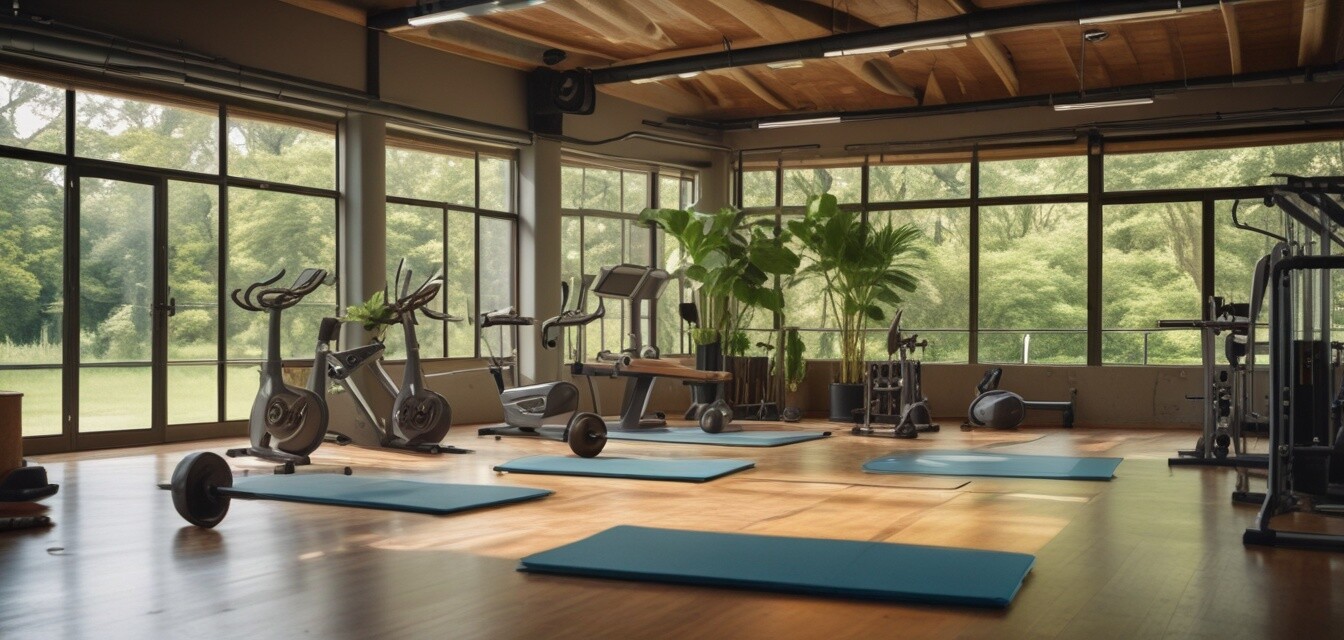
How to Organize an Eco-Friendly Fitness Workshop
Key Takeaways
- Choose a sustainable venue that supports eco-friendly initiatives.
- Incorporate biodegradable or recyclable materials in all aspects of the workshop.
- Promote eco-friendly workout gear to align with your theme of sustainability.
- Engage participants with informative sessions about reducing fitness waste.
- Network with local brands that focus on sustainable fitness products.
Organizing an eco-friendly fitness workshop is a great way to promote healthier lifestyles while contributing to a more sustainable planet. With increasing awareness about environmental issues, fitness enthusiasts are looking for ways to integrate eco-friendly practices into their routines. This guide will provide you with best practices for hosting a workshop that emphasizes sustainability, showcases eco-friendly practices, and highlights the use of sustainable products.
Why Host an Eco-Friendly Fitness Workshop?
As fitness becomes more ingrained in our lifestyles, the need to consider our impact on the environment grows. Here are some reasons why hosting an eco-friendly fitness workshop is beneficial for both participants and the planet:
- Raise awareness about sustainable fitness practices.
- Encourage community engagement towards environmentally friendly choices.
- Promote eco-friendly brands and products.
- Support local businesses that focus on sustainability.
Planning Your Eco-Friendly Fitness Workshop
Every great event starts with meticulous planning. Here’s how to ensure your eco-friendly fitness workshop is a success:
1. Choose a Sustainable Venue
Select a location that supports sustainable initiatives, such as recycling programs and energy-efficient facilities. Consider outdoor venues that make the best use of natural resources.
2. Create Eco-Friendly Materials
Design workshop materials such as flyers, schedules, and agendas using recycled or recyclable paper. This will help in reducing waste and leave a positive impression on participants.
3. Incorporate Biodegradable Equipment
This is where your choice of workout gear becomes essential. Utilize biodegradable products, such as:
- Biodegradable mats for yoga and fitness classes
- Bamboo fitness accessories
- Reusable containers for snacks and drinks
4. Engage Knowledgeable Speakers
Invite local experts on sustainability and fitness who can provide insights on eco-friendly workout practices. You can find speakers through [Eco-Friendly Buying Guides](/blog/eco-friendly-buying-guides) or local fitness communities.
5. Promote Participation with Rewards
Encourage participants to engage in eco-friendly practices during the event, such as bringing their own reusable water bottles for a chance to win sustainable fitness gear.
Eco-Friendly Practices During the Workshop
During your workshop, ensure that eco-friendly practices are integrated into all activities:
1. Minimize Single-Use Plastics
Ensure that all refreshments are served with minimal packaging. Use bulk snacks and refillable containers to avoid single-use plastics.
2. Use Reusable Products
Encourage participants to bring reusable items such as:
- Reusable water bottles
- Cloth bags for any materials or goodies received
- Natural cleaning products for the venue
3. Include Educational Sessions
Organize discussions or workshops focused on:
- How to care for your eco-friendly gear
- Reducing waste in fitness practices
- Finding locally sourced materials for workouts
Post-Workshop Actions
After the workshop, consider the following steps to maintain momentum:
- Send out a survey to participants to get their feedback on your eco-friendly efforts.
- Share all insights and resources discussed during the workshop on your website.
- Continue the conversation about sustainability in fitness through your blog, such as [Latest Trends in Eco-Friendly Fitness](/blog/latest-trends-in-eco-friendly-fitness).
Conclusion
Hosting an eco-friendly fitness workshop is not just about exercise; it's about creating a community that values sustainability. By following these guidelines, you can lead a successful event that inspires participants to think about their environmental impact while enjoying their fitness journey. Remember, every small step counts in maintaining a greener lifestyle while staying fit.
Pros
- Promotes sustainability within the fitness community.
- Involves local businesses and supports the economy.
- Encourages participants to adopt eco-friendly practices in their routines.
Cons
- May require more planning and resources compared to traditional workshops.
- Possibility of limited interest depending on the target audience.