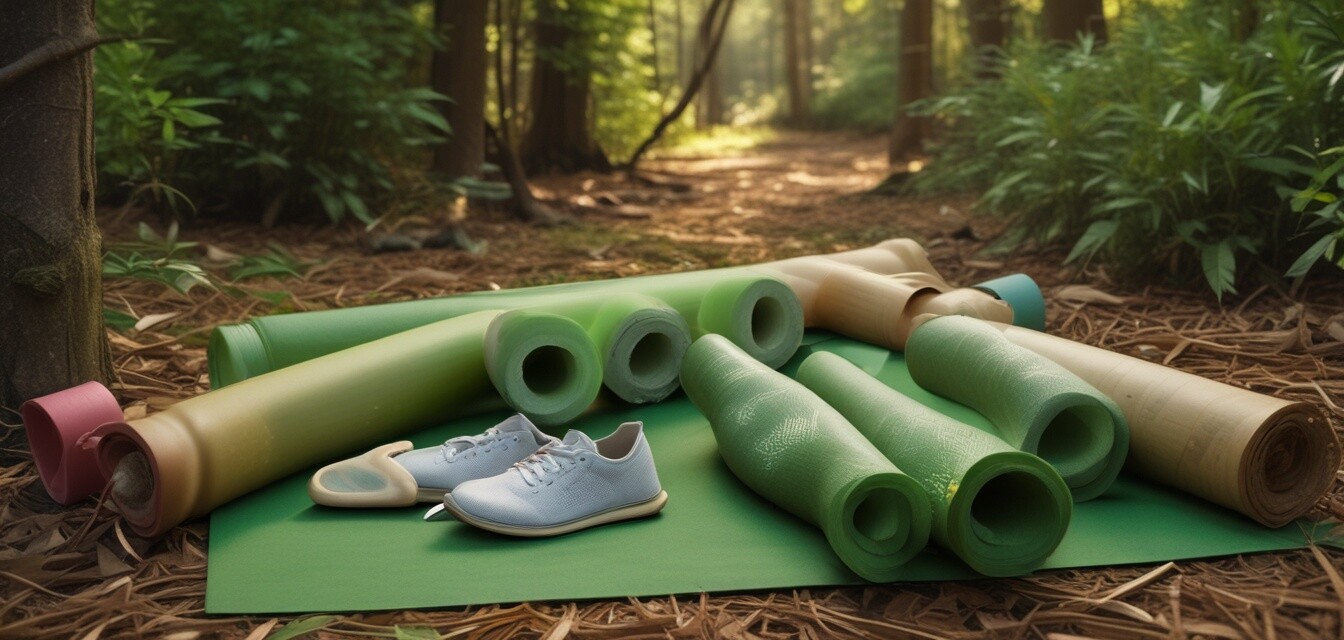
Tips for Organizing a Green Fitness Challenge
- Focus on sustainable practices to minimize environmental impact.
- Encourage the use of eco-friendly workout gear and accessories.
- Involve the local community for greater engagement and impact.
- Provide clear guidelines on sustainable exercise routines.
- Track and celebrate participants' progress to foster motivation.
Organizing a green fitness challenge is a fantastic way to motivate participants to engage in fitness activities while promoting sustainable practices that are beneficial for the environment. This article will explore several effective tips on how to successfully organize such an event, emphasizing eco-friendly approaches at every stage.
1. Define the Challenge Goals
Before launching your green fitness challenge, it's essential to define the key goals. Setting clear objectives helps participants stay focused and motivated. Here are some common goals:
- Encourage daily physical activity.
- Promote the use of eco-friendly workout gear.
- Reduce waste and environmental impact during exercise.
- Foster community engagement and teamwork.
2. Choose Eco-Friendly Gear
Selecting the right equipment is vital. Encourage participants to use sustainably made gear. Here are some examples:
| Eco-Friendly Workout Gear | Description |
|---|---|
| Bamboo fitness accessories | Durable and sustainable equipment made from bamboo. |
| Biodegradable exercise equipment | Made from materials that safely break down after disposal. |
| Eco yoga mats | Yoga mats made from sustainable materials with low environmental impact. |
| Sustainable training shoes | Footwear made from recycled and organic materials. |
3. Create a Plan for Sustainability
To ensure your challenge has a minimal environmental footprint, create a comprehensive sustainability plan:
- Choose a venue that highlights natural surroundings and reduces energy usage.
- Promote the use of public transport or carpooling to the event.
- Implement recycling and composting stations at the venue.
- Encourage participants to bring reusable water bottles and containers for snacks.
4. Promote Community Involvement
Community engagement is crucial for any fitness challenge. Get local businesses involved by providing incentives such as:
- Discounts on eco-friendly gear.
- Free classes or workshops from local trainers.
- Spots for sponsors to showcase their eco-friendly products.
Engaging the community not only boosts participation but also helps spread awareness of sustainable practices.
5. Foster Competition with a Fun Twist
Competition can be motivating, especially when geared towards a green initiative. Create fun competition categories such as:
- Most creative eco-friendly workout routine.
- Best group effort in reducing waste.
- Innovative uses of eco-friendly fitness gear.
Introduce small awards or recognition for winners to celebrate their achievements and efforts towards sustainability.
6. Track Progress and Celebrate Achievements
Throughout the challenge, track participants' progress. This can be done through:
- Group workouts.
- Social media updates showcasing individual achievements.
- Regular challenges or benchmarks to maintain motivation.
End the challenge with a celebration event that recognizes all participants and their efforts to support a greener planet.
Conclusion
Organizing a green fitness challenge is not only about promoting an active lifestyle but also about making conscious choices that positively impact the environment. By following these tips and incorporating sustainable practices into your event, you'll create a rewarding experience for everyone involved. Let’s work together towards a future where fitness and sustainability go hand in hand!
Pros
- Promotes health and fitness.
- Encourages sustainable living among participants.
- Boosts community spirit and involvement.
- Attracts businesses to participate in green initiatives.
Cons
- Requires careful planning and resources.
- Potentially higher initial costs for sustainable gear.
- Community engagement may require time and effort.