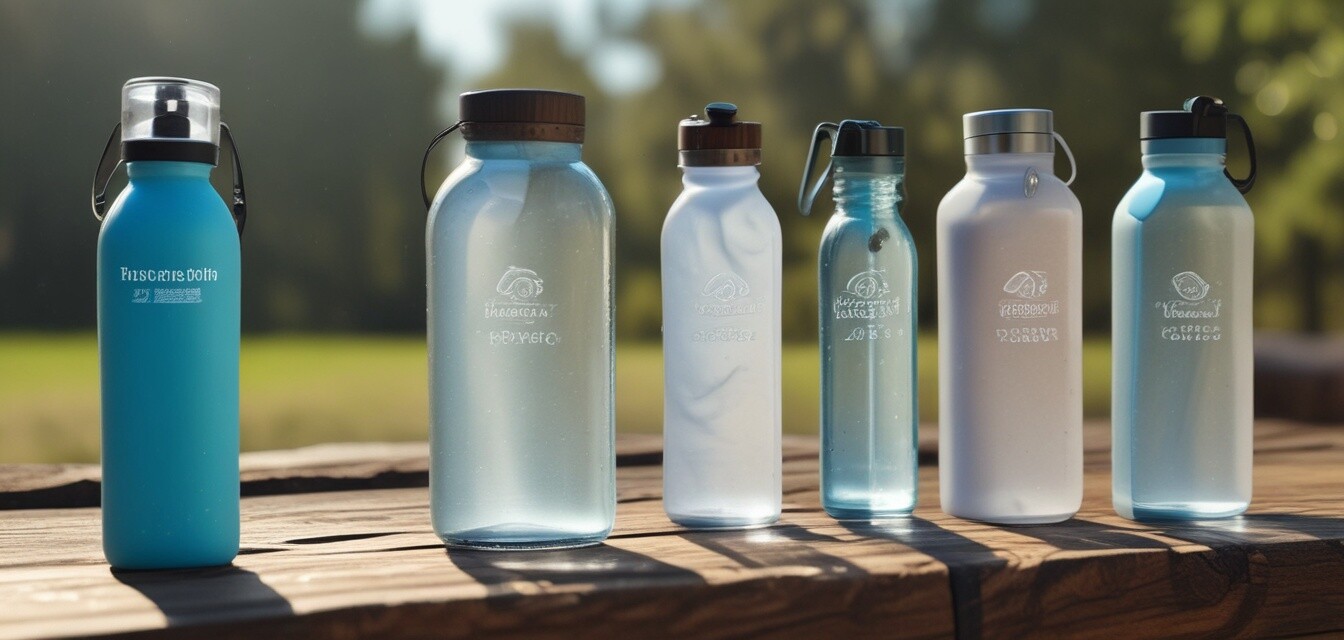
Sustainable hydration practices during workouts
Key Takeaways
- Sustainable hydration is essential for effective workouts.
- Choosing eco-friendly water bottles helps reduce plastic waste.
- Proper hydration can enhance performance and recovery.
- Implementing zero-waste practices in your hydration routine is easy.
- Opting for local and sustainable sources enhances your eco-friendly lifestyle.
In today's world, staying fit doesn't have to mean compromising the environment. With the rise of eco-consciousness in various aspects of life, adopting sustainable hydration practices during workouts is a perfect blend of caring for your health and our planet. This article explores effective, eco-friendly hydration methods and water bottles that align with your commitments both in fitness and environmental responsibility.
Why is sustainable hydration important?
Hydration is a key component of any fitness routine, and how we hydrate matters. Traditional plastic water bottles are not only harmful to the environment but also contribute to significant waste. By making conscious choices about how we hydrate, we can be active participants in reducing plastic pollution while promoting our health.
Benefits of Eco-Friendly Hydration
- Reduces plastic waste: By swapping to reusable bottles, you contribute to decreasing single-use plastic consumption.
- Saves money: Investing in a quality water bottle can save you money in the long run.
- Encourages proper hydration: Having a dedicated bottle can remind you to drink regularly during workouts.
- Supports local businesses: Many eco-friendly brands prioritize ethical production and local sourcing.
- Healthier materials: Many sustainable water bottles are made from materials that are safer and healthier.
Choosing the right eco-friendly water bottle
There are numerous options available when it comes to sustainable water bottles. Here's a guide to help you choose the right one for your needs:
| Type | Material | Benefits | Considerations |
|---|---|---|---|
| Stainless Steel | Stainless Steel | Durable, reusable, keeps drinks cold | Can be heavier than other materials |
| Bamboo | Bamboo Composite | Biodegradable, lightweight, stylish | May not keep drinks cold for long |
| Glass | Glass | No chemical leaching, easy to clean | Fragile, requires careful handling |
| Silicone | Silicone | Flexible, collapsible for easy storage | Requires careful cleaning to avoid odors |
Eco-friendly hydration practices during workouts
Incorporating sustainable practices into your hydration routine can be simple. Here are some practical tips:
Beginners Section
- Always carry a reusable water bottle with you.
- Fill your bottle at home rather than buying bottled water.
- Choose water stations over single-use bottle options when available.
- Consider filtration systems to ensure safe drinking water without the need for disposable bottles.
- Explore local resources for hydration, such as infusing your water with seasonal fruits or herbs.
Reducing waste in your hydration routine
Being mindful of your hydration habits can significantly reduce waste. Here are some actions you can take:
- Track your hydration goals and stick to them to avoid unnecessary consumption.
- Participate in local clean-up events that focus on removing plastic waste from water sources.
- Opt for bulk water purchases or dispensers instead of individual bottled water.
- Encourage friends and family to adopt eco-friendly hydration practices.
Conclusion
Hydrating sustainably during workouts is not just good for you; it's good for the planet. By choosing eco-friendly alternatives and implementing smart hydration practices, you can enjoy the benefits of keeping hydrated while minimizing your impact on the environment. For more tips on sustainable fitness gear, check out our guides on Bamboo fitness accessories and Biodegradable exercise equipment.
Pros
- Minimizes plastic waste.
- Encourages healthy hydration habits.
- Saves money in the long term.
- Supports local and ethical brands.
Cons
- Initial investment can be higher for reusable bottles.
- Some materials may require special care.