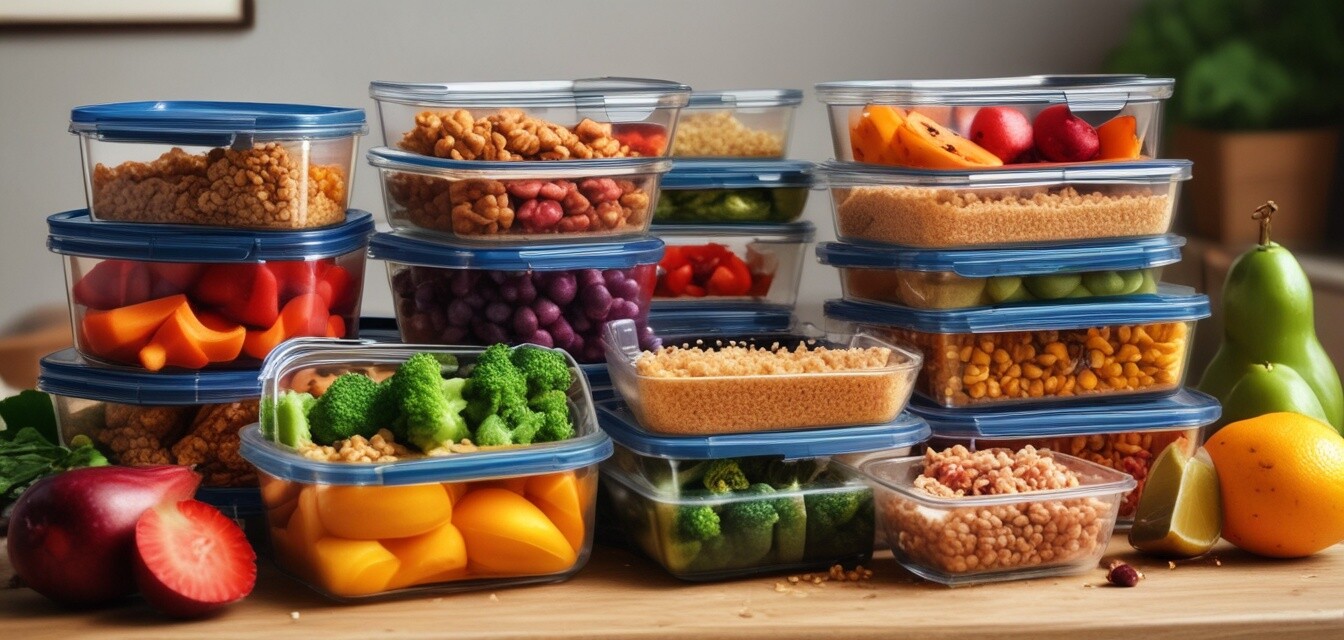
Tips for Sustainable Meal Prep for Active Lifestyles
Key Takeaways
- Choose eco-friendly storage solutions to minimize waste.
- Opt for seasonal and local produce to support sustainability.
- Plan your meals to reduce food waste and save time.
- Use batch cooking to streamline your meal prep.
- Incorporate a variety of nutrients for a balanced diet.
In an active lifestyle, meal preparation can often feel like a daunting task, but it doesn't have to be. Incorporating sustainability into your meal prep routine can help not just the planet but also enhance your health and fitness journey. In this article, we will explore several tips for efficiently meal prepping while being environmentally conscious.
Why Sustainable Meal Prep Matters
Meal prepping reduces food waste and promotes healthier eating habits. By planning your meals ahead, you are more likely to stick to your nutritional goals. Additionally, sustainable meal prep helps you to minimize your ecological footprint by choosing eco-friendly products and ingredients. Here are some strategies that will guide you toward a more sustainable cooking experience:
Essential Tips for Sustainable Meal Prep
1. Choose eco-friendly storage solutions
Investing in sustainable storage options can significantly impact your meal prep routine. Here are some alternatives:
| Storage Option | Description | Eco-Friendly Benefit |
|---|---|---|
| Glass Containers | Durable and reusable containers available in various sizes. | Reducing plastic usage in the kitchen. |
| Bamboo Lunch Boxes | Natural and renewable material storage options. | Completely biodegradable at the end of their life. |
| Beeswax Wraps | A reusable alternative to plastic wrap for covering foods. | Minimizing single-use plastics. |
2. Plan your meals wisely
Creating a meal plan can save you time and reduce the chances of impulse buying. Consider the following:
- Assess your weekly schedule to determine meal prep days.
- Include recipes that share ingredients to minimize waste.
- Make a shopping list based on your meal plan to avoid unnecessary purchases.
3. Choose seasonal and local produce
Opting for fruits and vegetables that are in season and sourced locally not only supports your community but also reduces carbon footprints associated with transportation. Here’s how:
- Visit local farmers' markets to find fresh, seasonal options.
- Join a community-supported agriculture (CSA) program for regular deliveries of local produce.
- Research seasonal produce in your area to make informed shopping choices.
4. Batch cook to save time
Batch cooking is an efficient way to prepare large quantities of meals at once. Here are some tips:
- Cook grains, beans, or proteins in bulk for easy access during the week.
- Portion out meals to grab-and-go when you are pressed for time.
- Freeze leftovers for future meals to avoid food waste.
5. Focus on variety and nutrition
When meal prepping, ensure you are including a balance of macronutrients. A well-rounded meal might consist of:
| Macronutrient | Examples | Benefits |
|---|---|---|
| Proteins | Chicken, tofu, lentils | Essential for muscle repair. |
| Carbohydrates | Brown rice, quinoa, sweet potatoes | Provides energy for workouts. |
| Fats | Avocados, nuts, olive oil | Supports hormonal balance and overall health. |
Tips for Maintaining Eco-Friendly Practices
To ensure that your meal prep remains sustainable, consider these ongoing practices:
- Compost food scraps whenever possible to reduce landfill waste.
- Cull through your pantry before shopping to use existing ingredients.
- Participate in local eco-friendly initiatives that promote sustainable living.
Tips for beginners
- Start with simple recipes that require minimal ingredients.
- Utilize meal prep services if you're unsure where to start.
- Experiment with different ingredients to expand your cooking skills.
Final Thoughts
Incorporating sustainability into your meal prep can be achieved with mindful choices and planning. By opting for eco-friendly storage solutions, planning wisely, choosing local ingredients, and maintaining a diverse diet, you can create a meal prep routine that not only supports your active lifestyle but also benefits the planet. For more insights and guidance on sustainable living, check out our Eco-Friendly Fitness Tips for practical advice that will keep you on track with your environmentally conscious goals.