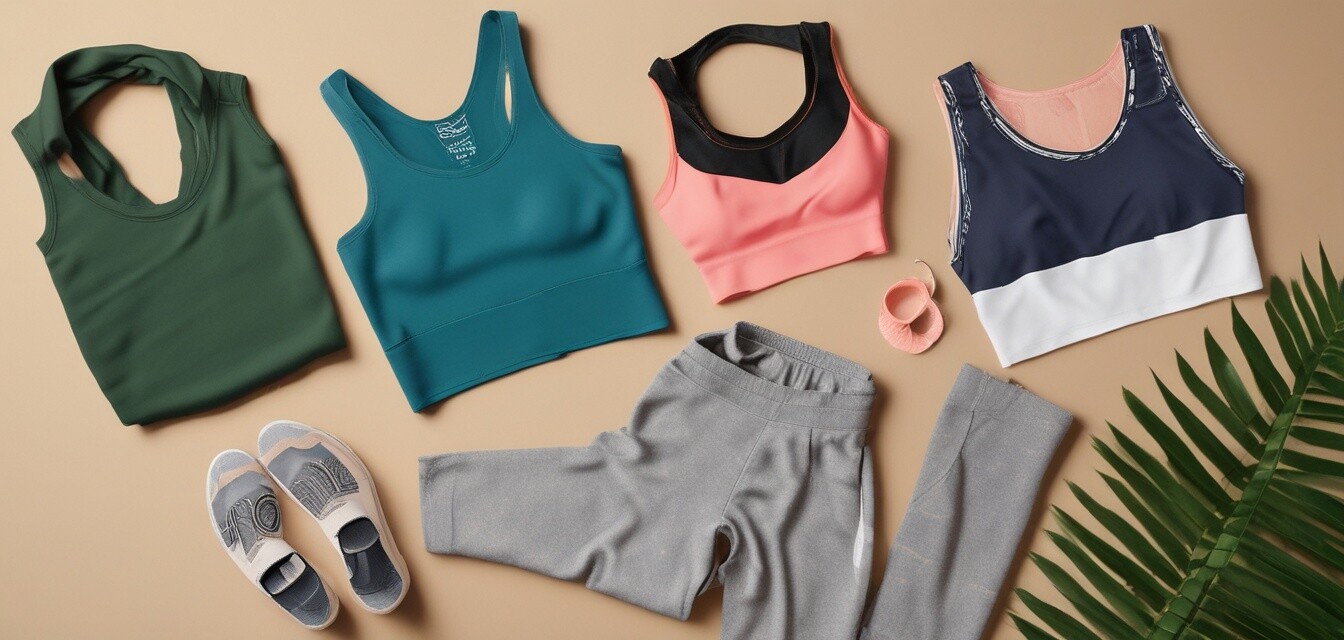
Eco-conscious athleisure: Trends to watch in 2025
Key Takeaways
- The demand for sustainable, eco-friendly athleisure is rising.
- Innovative materials such as recycled fabrics and biodegradable textiles are becoming commonplace.
- Leading brands are prioritizing ethical production practices.
- Customization and personalization are emerging trends among sustainability-driven consumers.
- Transitioning to eco-friendly workout gear supports a healthier planet.
The athleisure industry is reshaping the landscape of fitness and fashion as we head into 2025. With a growing number of consumers becoming more environmentally conscious, the need for eco-friendly workout gear is paramount. This article dives into the latest trends and innovations in eco-conscious athleisure wear, highlighting brands that are leading the charge towards a more sustainable future.
Rising popularity of sustainable materials
The demand for sustainable materials is at an all-time high, driven by consumers' increasing awareness of their ecological footprint. Brands are responding by innovating and exploring various materials that are both fashionable and eco-friendly. Here are some noteworthy sustainable materials gaining traction:
| Material | Description | Benefits |
|---|---|---|
| Recycled Polyester | Derived from recycled plastic bottles, this material reduces waste. | Lightweight and durable, it helps reduce landfill contributions. |
| Bamboo Fabric | A natural fiber made from the bamboo plant, known for its softness. | Biodegradable and offers moisture-wicking properties. |
| Organic Cotton | Cotton grown without synthetic pesticides or fertilizers. | Water-efficient and gentle on the skin, promoting sustainability. |
| Tencel (Lyocell) | Made from sustainably sourced wood pulp. | Biodegradable and produced in a closed-loop process. |
Brands leading the sustainable athleisure movement
Several brands are leading the way in sustainable athleisure. These companies prioritize transparency and ethical practices in their productions:
- Patagonia: Known for its commitment to environmental activism and use of recycled materials.
- Girlfriend Collective: Focuses on inclusivity and sustainability, offering products made from recycled fabrics.
- Allbirds: Their shoes utilize sustainable materials and eco-friendly production processes.
- Nike's Move to Zero: Their initiative aims to reduce waste and carbon emissions.
The impact of custom athleisure
Another emerging trend in the athleisure industry is customization. This allows customers to personalize their activewear, making it unique and tailored to their preferences. The rise of direct-to-consumer brands makes it easier for customers to design their athleisure gear, reflecting their individual styles while also supporting sustainability.
Shift towards ethical production practices
As we move forward, consumers increasingly prioritize ethical production practices. Brands are taking the necessary steps to ensure fair wages, safe working conditions, and responsible sourcing. By supporting these brands, consumers can contribute to a more ethical and sustainable fitness industry.
Future trends in eco-friendly fitness gear
As the demand for eco-friendly fitness gear grows, several trends are likely to emerge in the upcoming years:
- Greater integration of technology in sustainable fabrics.
- Increased use of biodegradable and compostable materials.
- More collaborations between brands and environmental nonprofits to raise awareness.
- Enhanced focus on transparency in the supply chain.
Join the movement towards sustainability
Making informed choices about your workout gear can significantly impact the environment. By opting for eco-conscious athleisure, you’re not only benefiting your fitness journey but also contributing to a healthier planet.
Tips for choosing sustainable athleisure
- Research brands and check their sustainability practices.
- Look for certifications like Global Organic Textile Standard (GOTS) or OEKO-TEX.
- Consider the life cycle of the products and how they can be disposed of at the end of their life.
- Support brands that have clear environmental impact goals.
Pros
- Environmentally friendly materials reduce overall waste.
- Support for ethical production practices benefits labor communities.
- Stylish designs that promote a fashionable lifestyle.
- Durable materials lead to longer-lasting products.
Cons
- Potentially higher price points compared to traditional options.
- Limited availability in some areas.
- Over-commercialization of sustainability may lead to greenwashing.
By keeping up with the innovative advances in eco-friendly athleisure, you can equip yourself with not only stylish but also responsible workout gear. To stay updated with the latest trends and make better choices, visit our guide on eco-friendly buying guides or explore latest trends in eco-friendly fitness.
Conclusion
The future of athleisure is undoubtedly leaning towards sustainability. As consumers demand more eco-friendly options, brands will need to follow suit. By understanding the trends and innovations emerging in this industry, you can make better, more informed choices that align with your values.