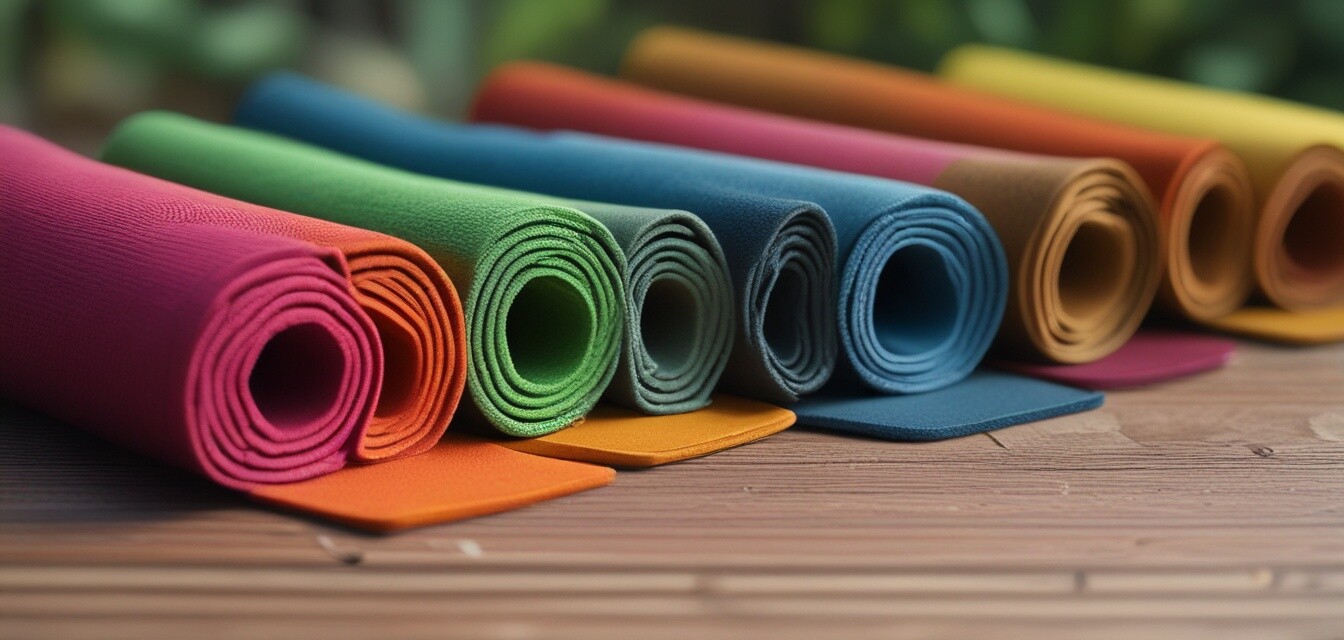
The Future of Eco Yoga Mats: Innovations to Watch
Key Takeaways
- 2025 is set to see major innovations in eco yoga mats focusing on sustainability.
- Biodegradable materials and sustainable manufacturing processes are becoming standard.
- New technologies enhance the functionality of eco yoga mats, improving user comfort and performance.
- Investing in eco-friendly gear contributes to overall wellness and environmental health.
As we look to the future, eco yoga mats are evolving at an unprecedented pace, bringing sustainability and innovation together in remarkable ways. With the rising awareness of environmental impact, the demand for sustainable products in fitness continues to surge. Let's uncover the latest trends in eco yoga mats that are making waves for 2025 and beyond.
What are eco yoga mats?
Eco yoga mats differentiate themselves from traditional mats by using sustainable materials and processes that minimize their environmental footprint. They offer similar functionality and support without compromising on comfort or performance.
Benefits of using eco yoga mats
- Biodegradable or recyclable materials
- Free from harmful chemicals
- Enhanced grip and comfort
- Support for ethical brands
Innovative materials entering the market
As the industry evolves, various materials are gaining popularity in the eco yoga mat space, focusing on sustainability and performance:
| Material | Characteristics |
|---|---|
| Natural Rubber | Biodegradable, excellent grip, cushioned feel |
| Cork | Antimicrobial, recyclable, lightweight, and sustainable |
| Biodegradable TPE | PVC-free, lightweight, non-toxic, and recyclable |
| Recycled Materials | Uses post-consumer waste, reducing landfill impact |
User-friendly features to look out for
As yoga mat technology advances, certain features are becoming increasingly relevant for users:
- Thickness: Extra cushion options are offering improved comfort, making yoga accessible for everyone.
- Weight: Lightweight mats enable easy transport while maintaining durability.
- Texture: Enhanced grip and stability features contribute to safer workouts.
- Easy-clean materials: Materials that resist moisture and stains are gaining favor.
Showcasing a Sustainable Option: Sensu Large Yoga Mat
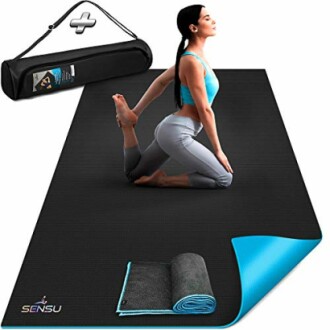
As part of this innovation trend, the Sensu Large Yoga Mat stands out as an eco-friendly workout essential. Let's take a closer look:
 Top Choice
Sensu Large Yoga Mat
This non-slip, eco-friendly mat features a 9mm thickness for superior cushioning and is made from 16P-ECO material, offering a comfortable and safe exercise experience.
Learn MoreDesign trends in eco yoga mats
With aesthetics becoming an important part of a user's experience, design trends are key to the future of yoga mats. We're seeing:
- Beautiful textures inspired by nature
- Vibrant, earthy color palettes
- Customizable options for personal expression
How to choose the right eco yoga mat for you
With the wide range of options available, making the right choice can be a challenging task. Here are some factors to consider:
- Material: Look for certifications and eco-friendly claims.
- Thickness: Consider how much cushioning you need based on your workout style.
- Grip: Assess your need for stability during various yoga poses.
- Care Instructions: Choose mats that fit your cleaning lifestyle.
Popular brands leading the eco-friendly movement
Numerous brands are making significant strides in the eco yoga mat market, including:
Conclusion
The future of eco yoga mats is bright, with numerous innovations ready to reshape how we think about fitness gear. By choosing eco-friendly options, not only do we support our health goals, but we also contribute to a healthier planet. As 2025 approaches, staying informed and making smart choices can pave the way toward a more sustainable future.
Tips for beginners
- Start with a mat that feels comfortable during your workout routine.
- Consider trying different materials before making a final decision.
- Look for brands with transparent sourcing and manufacturing policies.
Pros
- Supports sustainability
- Innovative design enhances usability
- Wide range of options caters to diverse needs
Cons
- A higher upfront cost compared to standard mats
- Not all brands offer comprehensive eco-credentials