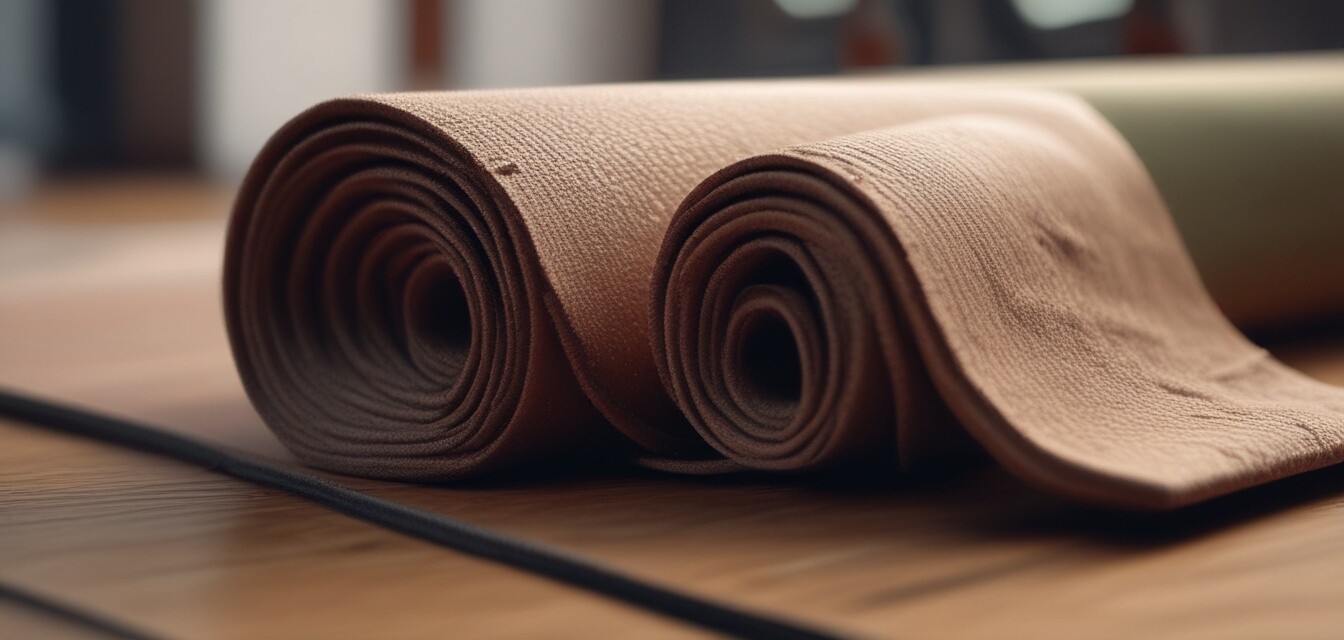
How Eco Yoga Mats are Made: A Behind-the-Scenes Look
- Eco yoga mats are made from sustainable materials such as natural rubber, jute, or organic cotton.
- The manufacturing process prioritizes ethical practices, often avoiding toxic chemicals and harmful materials.
- Many eco yoga mats are biodegradable and contribute to a more sustainable fitness lifestyle.
- Brands are increasingly adopting transparency in their production processes, showcasing how they are reducing environmental impact.
Yoga is a practice that emphasizes balance, mindfulness, and sustainability. One of the growing trends within the yoga community is the move towards eco-friendly yoga mats. These mats not only support your practice but also help support the environment. In this article, we'll take a behind-the-scenes look at how eco yoga mats are made, focusing on sustainable practices and eco-friendly materials.
The importance of sustainable materials
Eco yoga mats are crafted from a variety of sustainable materials, which help lower the ecological footprint of the manufacturing process. Here's a list of some commonly used materials:
- Natural rubber: Harvested from rubber trees, this material is biodegradable and provides excellent grip.
- Jute: A strong plant fiber that is often blended with other materials for durability.
- Organic cotton: Grown without harmful pesticides or fertilizers, providing a safe option for users.
- Cork: Harvested from cork oak trees, this eco-friendly material is renewable and has natural anti-bacterial properties.
How are eco yoga mats manufactured?
The manufacturing process of eco yoga mats involves several key steps that prioritize sustainability. Here’s a simplified overview:
| Step | Process |
|---|---|
| 1 | Source sustainable materials from certified suppliers. |
| 2 | Process materials using environmentally-friendly methods. |
| 3 | Combine materials in a way that maximizes durability and performance. |
| 4 | Test the mats for quality assurance and environmental compliance. |
| 5 | Package using recycled or biodegradable materials. |
Quality Control in Eco-Friendly Manufacturing
Quality control is crucial in ensuring that eco yoga mats meet both performance standards and ecological criteria. Many brands conduct extensive testing to ensure that their products are safe, effective, and environmentally friendly. This includes:
- Testing for harmful chemicals and toxins
- Evaluating material durability and comfort
- Obtaining certifications, such as eco-labels indicating sustainable practices
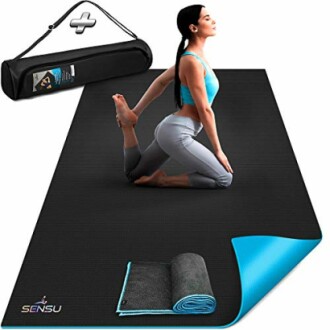
Featured Product: Sensu Large Yoga Mat
 Top Choice
Sensu Large Yoga Mat
Experience enhanced stability and comfort with the Sensu Large Yoga Mat, made from eco-friendly materials. It's designed for all fitness levels and is perfect for yoga, Pilates, and home workouts.
Learn MoreTrends in Eco-Friendly Yoga Mats
As the demand for sustainable workout gear rises, various trends are emerging in the eco yoga mat market:
- Increased use of recycled materials in production.
- Transparency in sourcing and manufacturing processes.
- Collaboration with local artisans to support communities and economies.
- Innovative designs that reduce waste during production.
Choosing the Right Eco Yoga Mat
Your choice of yoga mat can significantly influence your practice and its environmental impact. Consider the following tips when selecting an eco yoga mat:
Tips for Beginners
- Look for mats made from natural or recycled materials.
- Consider the mat's thickness for comfort during different poses.
- Check for certifications that demonstrate eco-friendliness.
- Choose a design that reflects your personal style and motivations.
Conclusion
As more individuals integrate sustainability into their health and fitness routines, eco yoga mats are proving to be a vital part of that journey. Understanding how these mats are made can help you make informed choices. By choosing eco-friendly materials, supporting brands with ethical practices, and practicing mindfulness in your fitness routine, you're not just enhancing your practice but also contributing to a healthier planet.
Pros
- Biodegradable and sustainable materials.
- Promotes an environmentally conscious lifestyle.
- Can enhance comfort and stability during workouts.
Cons
- Can be more expensive than standard mats.
- Availability may vary based on brand and location.
- Some eco-mats may require specific care instructions to maintain quality.
For More Information:
If you're looking to delve deeper into eco-friendly practices within the fitness industry, check out our resource on Ethical Manufacturing and Green Certifications and Standards.