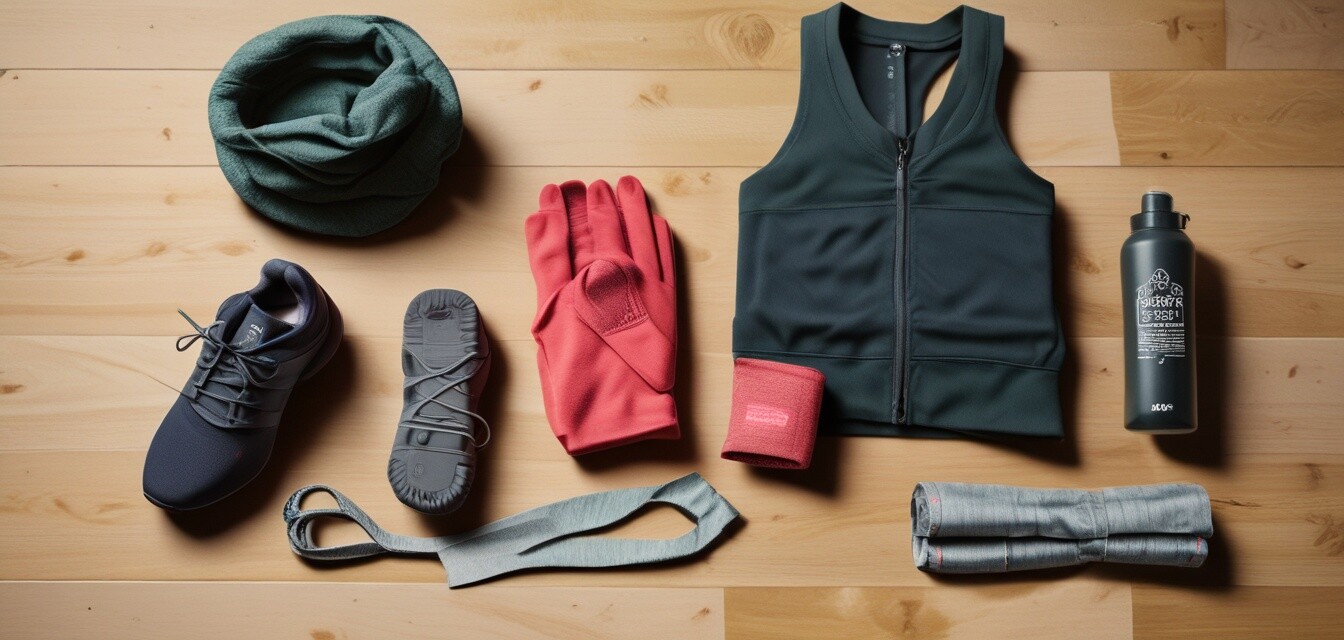
Innovations in Eco-Friendly Fitness Technology
Key Takeaways
- Emerging technologies are transforming the eco-friendly fitness landscape.
- Materials like bamboo, recycled plastics, and organic fibers are now commonplace in fitness gear.
- Sustainable workout gear is proving effective and stylish, making eco-friendly choices easier.
- Brands are increasingly prioritizing ethicity without sacrificing performance.
- Staying informed about trends helps you make mindful purchasing decisions.
In recent years, the fitness industry has witnessed a significant shift towards sustainability. Innovations in eco-friendly fitness technology are making it easier for individuals to embrace a healthier lifestyle while being kind to the environment. This article dives into the latest trends and innovations in eco-friendly fitness gear, showing how these new technologies are reshaping workout routines.
1. Sustainable Materials
One of the most exciting innovations in eco-friendly fitness gear is the introduction of sustainable materials. Brands are now utilizing materials such as:
- Bamboo: A fast-growing plant that requires minimal resources.
- Recycled Plastics: Transforming waste into functional equipment.
- Organic Cotton: Pesticide-free and biodegradable, it's a healthier choice.
- Hemp: A durable and naturally renewable resource.
2. Biodegradable Equipment
Biodegradable exercise equipment is gaining attention as more consumers look for ways to minimize their impact on the planet. These innovative products decompose over time, preventing plastic pollution.
| Type of Equipment | Material | Biodegradable Timeframe |
|---|---|---|
| Yoga Mats | Natural rubber | 1-5 years |
| Dumbbells | Recycled composites | 3-10 years |
| Resistance Bands | Plant-based materials | 2-7 years |
3. Smart Fitness Gear
With the advancement of technology, fitness gear is also becoming smarter. Items such as smart watches and fitness trackers not only help in monitoring workouts but also encourage sustainable habits by tracking your physical activities, setting goals, and promoting efficient workouts.
For more on smart fitness technology, see our insights in the Eco-Friendly Fitness Tips section.
4. Recycled Fabric Sportswear
Sustainable sportswear made from recycled fabrics, such as ocean plastics, is becoming increasingly popular. This trend reflects the company's commitment to reducing waste while providing high-quality activewear. Look for brands that invest in recycled materials for outerwear, leggings, and tops.
Pros
- Reduces environmental impact.
- Promotes sustainability in fitness.
- Innovative designs that maintain performance.
- Inspires other sectors to follow suit.
Cons
- Higher initial costs compared to traditional materials.
- Lesser availability in some areas.
- Requires consumer education about benefits.
5. Green Shipping Practices
Alongside product innovations, brands are adopting eco-friendly shipping practices. This may include using recycled boxes, biodegradable packing materials, and energy-efficient shipping methods. Consumers can choose brands that prioritize sustainable shipping options.
6. The Future of Eco-Friendly Fitness Tech
The trends in eco-friendly fitness technology are just the beginning. As more consumers demand sustainable options, it’s likely that even more innovations will emerge, further driving the industry's growth towards sustainability.
Keeping track of the latest trends allows individuals to make informed purchases and transitions to greener options.
Beginner's Tips for Choosing Eco-Friendly Fitness Gear
- Research brands that prioritize sustainability.
- Look for certifications that indicate eco-friendly practices.
- Invest in multi-purpose gear to reduce waste.
- Check out thrift stores for second-hand options.
Conclusion
Innovations in eco-friendly fitness technology are setting new standards for how we view workout gear. By opting for sustainable materials and practices, consumers not only enhance their fitness routine but also contribute positively to the environment. Staying informed about these trends empowers individuals to make smarter choices that benefit themselves and the planet.