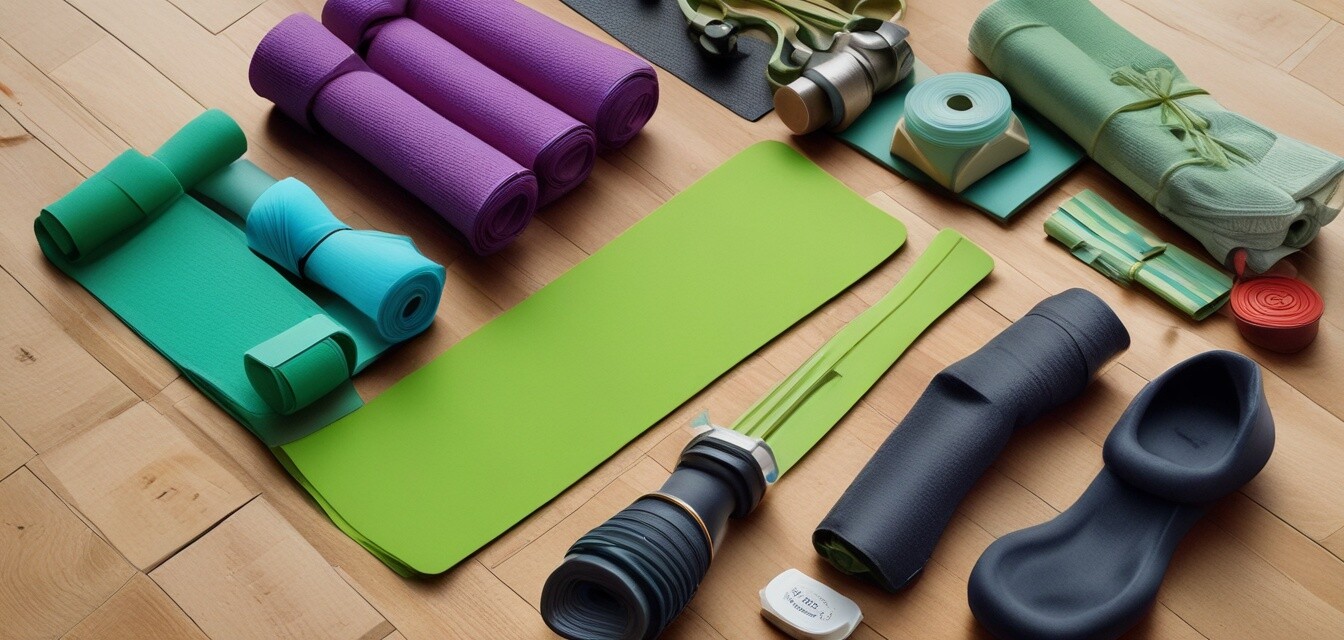
The Rise of Biodegradable Fitness Gear
Key Takeaways
- Biodegradable fitness gear is becoming increasingly popular as consumers prioritize sustainability.
- These products help reduce waste and environmental impact while maintaining performance.
- Various types of biodegradable fitness gear exist, including mats, bands, and clothing.
- Brands are innovating with new materials and production methods to create eco-friendly options.
- Staying informed on eco-friendly trends can guide your purchasing decisions for a sustainable workout routine.
The fitness industry is rapidly evolving, and one of the most exciting trends is the emergence of biodegradable fitness gear. As awareness of environmental issues grows, consumers are seeking workout gear that not only meets their performance needs but also minimizes their environmental footprint. This article explores the rise of biodegradable fitness gear, highlighting its importance and the innovations driving this trend.
What is biodegradable fitness gear?
Biodegradable fitness gear refers to equipment and accessories made from materials that can naturally decompose over time, reducing the amount of waste in landfills. Unlike conventional fitness gear, which often consists of synthetic materials that remain in the environment for hundreds of years, biodegradable options break down in a matter of months or years, depending on the material used.
Examples of biodegradable fitness gear
There are several categories of biodegradable fitness gear available on the market today, each designed to meet specific workout needs:
- Biodegradable yoga mats: Made from natural rubber or other organic materials.
- Eco-friendly resistance bands: Constructed from sustainable latex.
- Compostable dumbbells: Created using plant-based materials.
- Sustainable workout clothes: Crafted from organic cotton or recycled fibers.
Benefits of using biodegradable fitness gear
The shift toward biodegradable fitness gear offers several benefits, both for consumers and the planet:
- Reduced environmental impact: Choosing biodegradable options can significantly lessen your contribution to landfill waste.
- Safety for nature: These products are made from non-toxic materials that won’t harm wildlife when they degrade.
- Innovative designs: Many eco-friendly brands focus on creating high-quality, durable products that perform just as well as their traditional counterparts.
- Supporting sustainable brands: Purchasing biodegradable gear helps promote companies committed to sustainable practices.
Current trends in biodegradable fitness gear
As the demand for eco-friendly products increases, numerous brands are leading the charge in producing innovative biodegradable fitness gear. Here are some noteworthy trends:
| Trend | Description |
|---|---|
| Natural materials | Brands are increasingly using organic and renewable materials to create products. |
| Compostable packaging | Eco-friendly packaging solutions that can also biodegrade are becoming standard. |
| Transparency and ethics | Companies are being more open about their production processes and sourcing of materials. |
| Innovative recycling initiatives | Brands are implementing programs to take back used products for composting or recycling. |
Challenges in the adoption of biodegradable fitness gear
Despite the growing interest in biodegradable fitness gear, several challenges remain:
- Higher costs: Biodegradable materials can be more expensive to produce, leading to higher retail prices.
- Limited availability: Not all retailers stock biodegradable options, which can make them harder to find.
- Consumer awareness: Many shoppers are still unaware of the benefits of biodegradable gear and may favor traditional options out of habit.
How to choose the right biodegradable fitness gear
When shopping for biodegradable fitness gear, consider the following tips:
- Look for certifications that prove the product is genuinely biodegradable.
- Research the brand’s commitment to sustainability and ethical practices.
- Read reviews to gauge the performance and durability of the product.
- Compare prices to ensure you’re getting a fair value for your investment.
Tips for beginners
- Start with one or two biodegradable items to test their performance.
- Follow eco-friendly fitness influencers for insights and product recommendations.
- Join communities focused on sustainable fitness to share tips and experiences.
Conclusion
The rise of biodegradable fitness gear is a step toward a more sustainable future for the fitness industry. With brands innovating and consumers becoming more conscious of their environmental footprint, this trend is likely to continue. By investing in biodegradable options, not only can you support the planet, but you can also enjoy high-performance fitness gear that's made with care. Stay updated on the latest trends in eco-friendly fitness by exploring our articles about eco-friendly buying guides and bamboo fitness accessories. Embrace a greener workout routine today!
Pros
- Environmentally friendly and biodegradable materials.
- Quality performance comparable to traditional fitness gear.
- Supports sustainable and ethical practices.
- Contributes to reducing waste and pollution.
Cons
- Higher cost compared to non-biodegradable options.
- Availability may be limited in some areas.
- Some consumers may be unaware of biodegradable options.