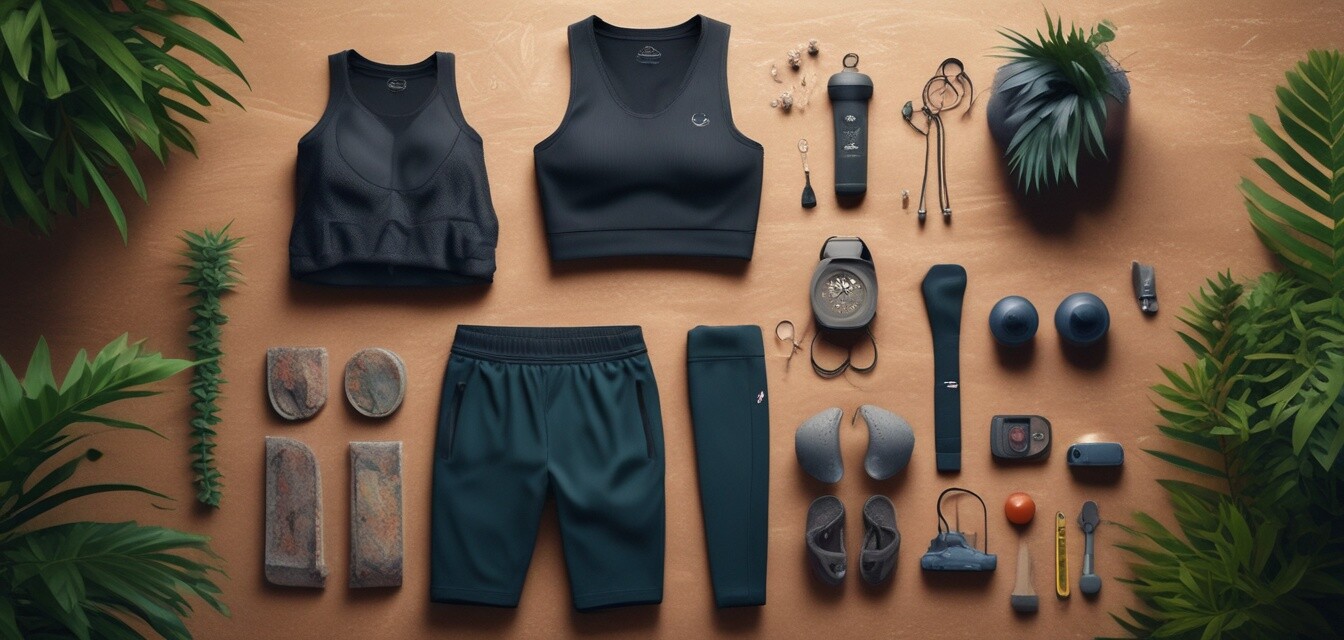
The shift towards circular fashion in fitness gear
- Circular fashion emphasizes the importance of sustainability in the fitness industry.
- Brands are innovating with recycled materials and eco-friendly production methods.
- Adopting circular fashion can significantly reduce waste in fitness gear.
- Consumer demand for sustainable products is driving industry change.
The concept of circular fashion is revolutionizing the way we think about fitness gear. As individuals become more aware of their impact on the environment, the demand for sustainable and eco-friendly workout equipment is rising. This article explores how brands are embracing circular fashion, its significance in the fitness industry, and what it means for consumers looking to make responsible purchasing decisions.
Understanding circular fashion
Circular fashion refers to an economic model that focuses on sustainability, promoting the continual use of resources without creating waste. In the realm of fitness gear, this translates into:
- Utilizing recycled materials
- Designing products for longevity
- Implementing take-back programs to recycle used products
- Encouraging responsible consumption
The need for sustainability in fitness gear
The fitness industry, like many others, has a significant environmental footprint. Traditional manufacturing processes are often resource-intensive and result in considerable waste. By shifting towards circular fashion, brands can:
- Reduce resource depletion
- Minimize waste generation
- Lower carbon emissions
- Create a more ethical supply chain
Brands Leading the Charge
Several brands are pioneering circular fashion in the fitness industry. They are utilizing innovative approaches to tackle waste while providing high-quality products. Here are some notable examples:
| Brand | Approach | Example Initiatives |
|---|---|---|
| Brand A | Recycled Materials | Using recycled polyester in workout wear |
| Brand B | Take-back Programs | Offering store credits for returned items |
| Brand C | Upcycling | Transforming waste into new clothing lines |
| Brand D | Durable Design | Creating long-lasting gear to reduce replacement frequency |
Consumer Impact in the Shift to Circular Fashion
As consumers, our choices greatly influence the market. By opting for brands that prioritize circular fashion, we can push the industry towards sustainable practices. Here are some ways consumers can make an impact:
- Research brands and their sustainable practices and choose eco-friendly options.
- Participate in local take-back programs to recycle older gear.
- Spread awareness about sustainable fitness options through social media.
- Support brands that are transparent about their materials and processes.
The Role of Technology in Circular Fashion
Technology plays a crucial role in the future of circular fashion. Here are some innovations shaping this shift:
- 3D Printing: Allows for on-demand production, reducing excess inventory.
- Smart Fabrics: Enhance durability and performance, extending product life.
- Blockchain: Offers traceability in the supply chain, ensuring ethical practices.
- Recycling Technologies: Innovations that make recycling more efficient and effective.
Challenges and Solutions
While the shift toward circular fashion is promising, several challenges must be addressed:
- Consumer Awareness: Many consumers are still unaware of sustainable options.
- Logistical Issues: Implementing take-back programs can be complex and expensive.
- Sourcing Materials: Finding a consistent supply of recycled materials can be difficult.
However, companies and consumers can work together to overcome these issues by:
- Investing in education and marketing to raise awareness.
- Collaborating with local businesses for effective recycling programs.
- Engaging in community discussions around sustainable practices.
Conclusion
The shift towards circular fashion in fitness gear is not just an emerging trend; it represents a fundamental change in how we view products and their lifecycle. By focusing on sustainability and supporting brands committed to circular practices, we can contribute to a healthier planet and a more responsible fitness industry.
Explore more on this topic by checking out our related articles on Eco-Friendly Buying Guides, and learn about the latest innovations in sustainable gear in our Latest Trends in Eco-Friendly Fitness.
Pros
- Promotes sustainability in the fitness industry.
- Encourages responsible consumer behavior.
- Reduces waste and environmental impact.
- Supports ethical manufacturing practices.
Cons
- Limited availability of some eco-friendly products.
- Higher upfront costs compared to traditional fitness gear.
- Consumer awareness and education still needed.