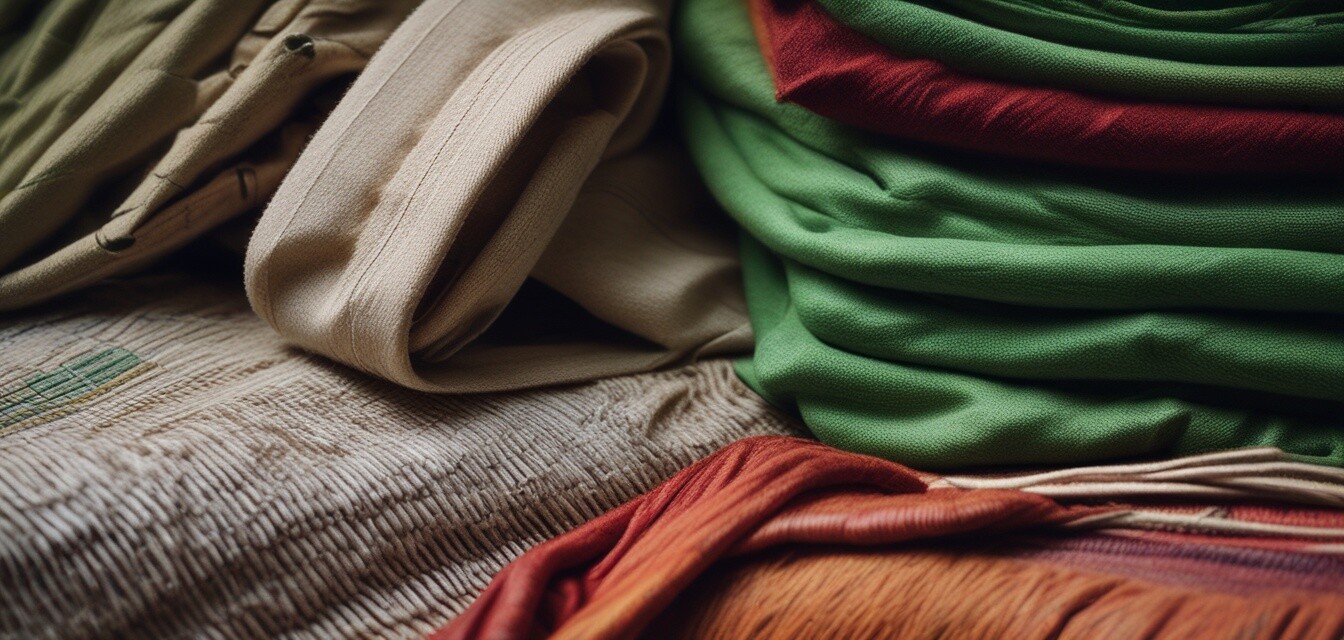
Sustainable Fabrics: What’s New in 2025?
- Innovations in sustainable fabrics are transforming workout gear.
- Material choices impact both performance and the environment.
- Common sustainable fabrics include bamboo, hemp, and recycled polyester.
- Brands are increasingly focusing on environmentally friendly practices.
- Staying informed can help make conscious purchasing decisions.
As we step into 2025, the world of fitness is experiencing significant changes, especially in the materials used to create workout gear. Eco-friendly practices and sustainable fabrics have gained prominence, and more brands are embracing these innovations. This article delves into the latest advancements in sustainable fabrics, their impact on performance, and how they contribute to a greener planet.
The Rise of Sustainable Fabrics in Fitness Gear
The fitness industry has seen a substantial shift towards sustainability, driven by consumer demand for environmentally responsible products. As athletes and fitness enthusiasts become more aware of their ecological footprint, brands are responding by developing innovative fabrics that reduce environmental impact.
What Are Sustainable Fabrics?
Sustainable fabrics are materials made with a focus on reducing harm to the environment. They can be produced through various methods, including using organic materials, recycling existing fabrics, or adopting ethical manufacturing processes. These fabrics aim to provide high performance while also being kinder to the Earth.
Latest Trends in Sustainable Fabrics for 2025
In 2025, several new trends in sustainable fabrics have emerged, making them increasingly popular among fitness enthusiasts. Here are some notable advancements:
| Fabric Type | Description | Eco-Friendly Features |
|---|---|---|
| Bamboo | A soft and breathable material derived from bamboo plants. | Biodegradable, requires less water to grow. |
| Hemp | Durable and strong fabric from the hemp plant. | Requires minimal pesticides, grows quickly. |
| Recycled Polyester | Fabric made from recycled plastic bottles. | Reduces waste, lowers carbon footprint. |
| Tencel | Produced from the wood pulp of eucalyptus trees. | Biodegradable, sustainable production process. |
| Organic Cotton | Cotton grown without synthetic pesticides or fertilizers. | Supports biodiversity, healthier for farmers. |
These fabrics exemplify how innovation can lead to sustainable solutions in the fitness industry. As the demand for eco-friendly materials continues to increase, more brands are adopting these practices.
The Impact of Sustainable Fabrics on Performance
The performance of workout gear is paramount for athletes and fitness enthusiasts. Fortunately, many sustainable fabrics offer impressive performance characteristics. Here are a few benefits associated with eco-friendly materials:
- Moisture-wicking: Many sustainable fabrics, like bamboo and recycled polyester, excel at wicking moisture away from the body, keeping you dry during workouts.
- Breathability: Fabrics such as hemp and Tencel provide excellent breathability, making them suitable for high-intensity workouts.
- Durability: Sustainable options like hemp and recycled polyester are often more durable than traditional materials, ensuring longevity and reduced waste.
- Comfort: The natural softness of fabrics like bamboo or organic cotton enhances comfort, making workouts more enjoyable.
Brands Leading the Charge in Sustainability
Several brands have carved a niche by championing eco-friendly practices and sustainable materials. By prioritizing sustainability, these innovators are setting a standard within the industry. Some key players include:
- Bamboo fitness accessories brands that emphasize environmentally friendly production processes.
- Biodegradable exercise equipment manufacturers dedicated to minimizing waste.
- Eco yoga mat brands that focus on natural materials and ethical sourcing.
- Sustainable training shoe brands that incorporate recycled materials into their designs.
Conscious Purchasing Decisions
Educating yourself about sustainable fabrics and the brands behind them is integral for making informed purchasing decisions. Here are a few tips to help you on this journey:
Tips for Beginners
- Research the sustainability practices of brands before purchasing.
- Look for certifications that verify eco-friendly materials.
- Support local companies that prioritize sustainability.
- Consider the lifecycle of the product – its production, use, and disposal.
Conclusion
The sustainable fabric landscape in the fitness industry is evolving rapidly. As we recognize the importance of minimizing our environmental impact, embracing eco-friendly materials has never been more critical. By staying informed about the latest trends and innovations, we can make better choices for ourselves and the planet.
Pros
- Reduces environmental impact.
- Offers high performance and comfort.
- Promotes ethical manufacturing practices.
Cons
- May be more expensive than conventional fabrics.
- Availability can be limited in some regions.