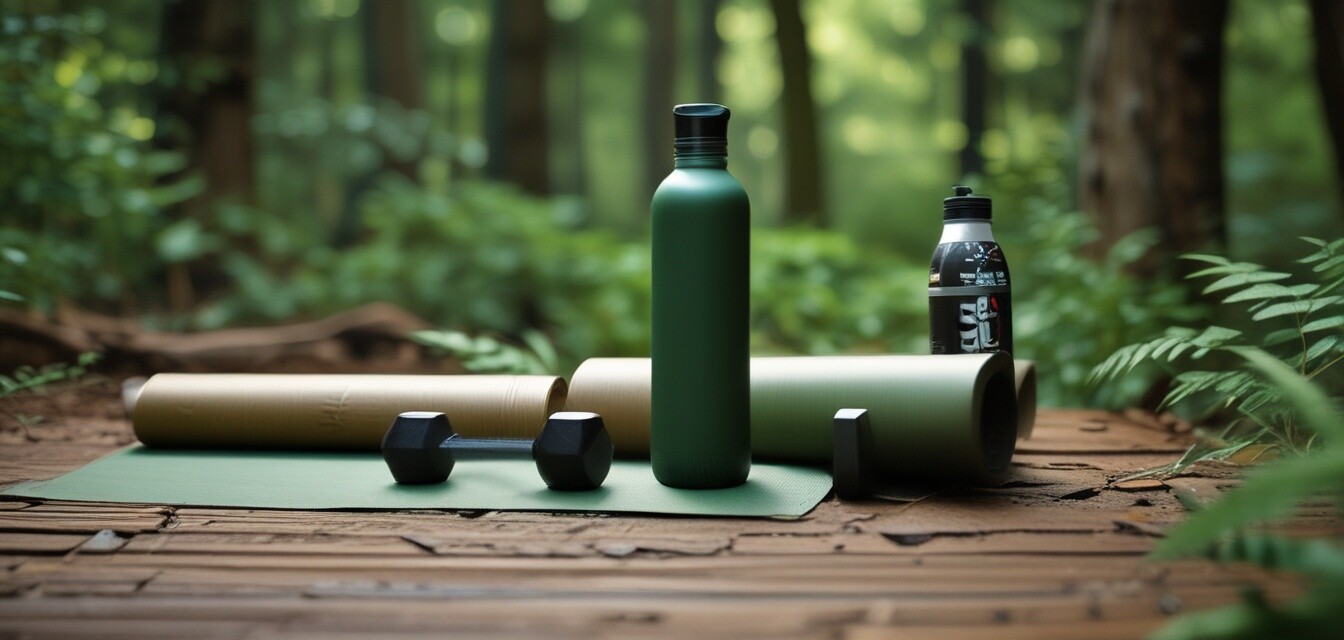
7 Steps for Beginners to Start Eco-Friendly Workouts
Key Takeaways
- Embrace sustainable fitness with eco-friendly workout gear.
- Set realistic goals that focus on environmental responsibility.
- Incorporate diverse exercises to keep workouts engaging.
- Stay hydrated with reusable water bottles.
- Track progress to motivate continuous improvement.
Starting your fitness journey is an exciting time, especially when you’re committed to making eco-friendly choices. With each step, you’ll not only work towards your fitness goals but also contribute to a better planet. Here’s a straightforward guide to help you begin eco-friendly workouts.
Step 1: Choose Sustainable Workout Gear
Selecting eco-friendly workout gear is crucial for minimizing your environmental footprint. Look for options that are made from sustainable materials, such as:
- Bamboo Fitness Accessories: Durable and biodegradable with natural anti-bacterial properties.
- Biodegradable Exercise Equipment: Weights and resistance bands designed to break down naturally.
- Eco Yoga Mats: Made from non-toxic materials that are safe for you and the environment.
- Sustainable Training Shoes: Less harmful to the environment, built for comfort and longevity.
Step 2: Set Realistic Fitness Goals
Goal-setting is essential to keeping you motivated. Consider the SMART criterion:
| SMART Goals | Description |
|---|---|
| Specific | Define clear objectives, such as "I will exercise three times a week." |
| Measurable | Set quantifiable measures to track your progress. |
| Achievable | Ensure your goals are realistic based on your current fitness level. |
| Relevant | Align your goals with your overall vision for environmental sustainability and personal health. |
| Time-bound | Set deadlines to achieve your goals, such as a 30-day fitness challenge. |
Step 3: Find Eco-Friendly Exercise Options
Consider integrating various workouts that align with your environmental values:
- Outdoor Activities: Hike, bike, or jog in parks to enjoy nature while exercising.
- Bodyweight Exercises: Use your own weight for resistance to avoid using equipment.
- Yoga: Practicing yoga outdoors encourages mindfulness and appreciation for nature.
- Gardening: Yes, it's a workout too! It helps strengthen muscles while caring for the environment.
Step 4: Plan Your Weekly Workout Schedule
Creating a structured plan can help you stay on track. Here’s a simple weekly routine:
| Day | Activity | Duration |
|---|---|---|
| Monday | Brisk walk in the park | 30 minutes |
| Wednesday | Bodyweight exercise circuit | 20 minutes |
| Friday | Biking or jogging | 30 minutes |
| Weekend | Yoga session outdoors | 30 minutes |
Step 5: Stay Consistent with Hydration
Hydration plays a vital role in your fitness journey. Use reusable water bottles to keep water cool and accessible. Remember to:
- Drink water before, during, and after workouts.
- Track your water intake to ensure proper hydration.
- Avoid sugary or plastic-bottled drinks that harm the environment.
Step 6: Track Your Progress
Monitoring your progress will help you stay motivated. Here are some tips:
- Keep a fitness journal or use apps to log workouts and progress.
- Take progress photos to see the changes over time.
- Celebrate small victories, like completing a week of workouts.
Step 7: Build a Support System
A strong support network encourages you to stick to your goals. Here’s how to build one:
- Join local eco-friendly fitness groups, or online forums.
- Engage family and friends in your fitness journey, creating accountability.
- Consider signing up for classes or workshops focused on sustainable practices.
Pros
- Promotes a healthier planet.
- Encourages a sense of community among fitness enthusiasts.
- Supports personal health and well-being.
- Diverse activities to maintain engagement.
Cons
- May require upfront investment in sustainable gear.
- Limited access to facilities focusing on eco-friendly practices in some areas.
- Finding like-minded people can be challenging.
Conclusion
Starting eco-friendly workouts doesn’t have to be overwhelming. By following these steps, you’ll build habits that embrace fitness and sustainability. Every small action counts towards a healthier you and a healthier planet! Remember, the journey is just as important as the destination—enjoy the process!
For more insights on eco-friendly tips, be sure to check out our resources on eco-friendly fitness tips and latest trends in the fitness community.