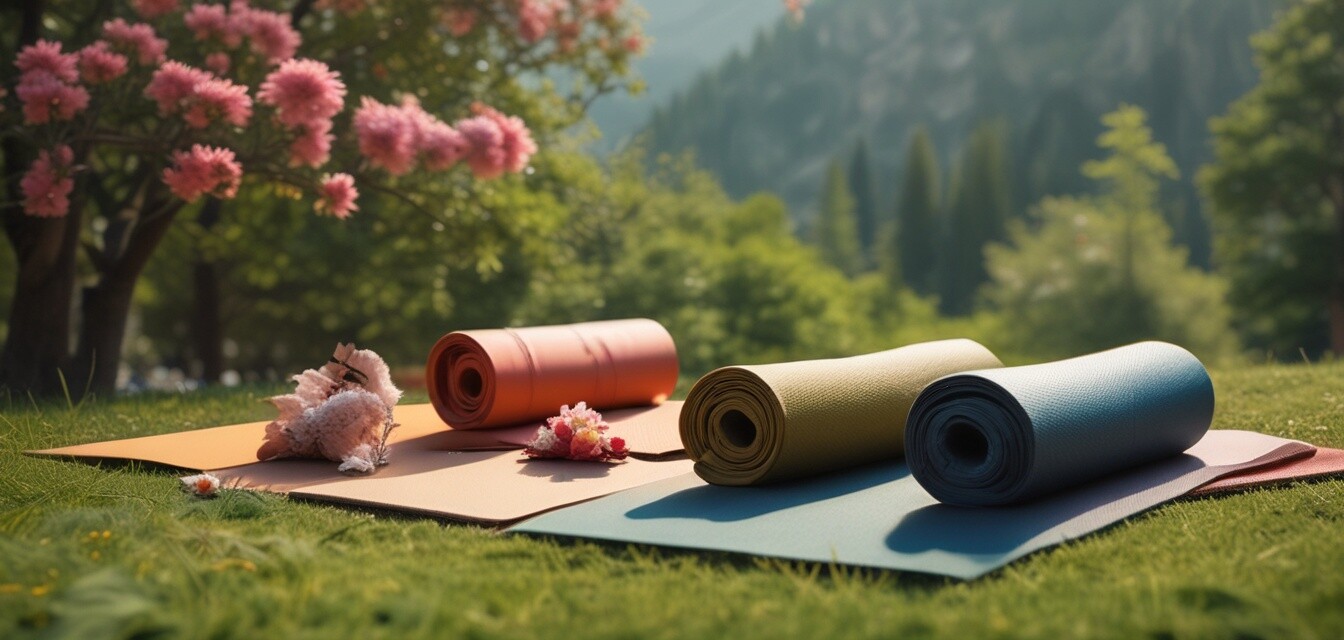
Choosing Your First Sustainable Yoga Mat
Key Takeaways
- Understand the eco-friendly materials used in sustainable yoga mats.
- Consider mat thickness, weight, and non-slip features for better support.
- Explore budget-friendly options suitable for beginners.
- Learn about caring for your yoga mat to extend its lifespan.
- Make informed decisions by comparing different brands and products.
Choosing your first yoga mat can be exciting yet overwhelming, especially when you want to make a sustainable choice. Sustainable yoga mats are not only kind to the environment but they also provide excellent support and comfort for your practice. In this guide, we will explore eco-friendly options, helping you find a yoga mat that aligns with your values while being affordable for beginners.
Why Choose Sustainable Yoga Mats?
Sustainable yoga mats are made from eco-friendly materials that minimize harm to the environment. They are typically produced using natural materials, which contribute to their biodegradability, durability, and overall performance. Here are some advantages of choosing a sustainable yoga mat:
- **Eco-friendly materials:** Made from natural, renewable resources.
- **Biodegradable:** Unlike conventional mats, sustainable options break down naturally.
- **Non-toxic:** Free from harmful chemicals often found in traditional mats.
Types of Eco-Friendly Materials
When selecting a sustainable yoga mat, it's essential to consider the materials used. Below is a table comparing common eco-friendly materials found in yoga mats:
| Material | Features | Eco-Impact |
|---|---|---|
| Natural Rubber | Excellent grip; durable. | Made from renewable latex; biodegradable. |
| TPE (Thermoplastic Elastomer) | Lightweight; moisture-wicking. | Recyclable; less harmful during production. |
| Cork | Anti-microbial; natural texture. | Harvested sustainably; biodegradable. |
| Bamboo | Soft texture; safe for sensitive skin. | Fast-growing; requires fewer resources. |
Choosing the Right Thickness and Grip
The thickness of the yoga mat is essential for providing support and comfort during your practice. Here are some common thickness options:
- Thin Mats (1-3mm): Ideal for portability and stability, but less cushioning.
- Standard Mats (4-5mm): Offers a balance of cushioning and stability.
- Thick Mats (6mm+): Provides extra cushioning for sensitive joints.
Additionally, consider the grip. A non-slip surface is crucial for maintaining stability during poses. More advanced mats utilize unique materials that enhance grip, even when wet.
Product Recommendations
Here are two top eco-friendly yoga mats that are perfect for beginners:
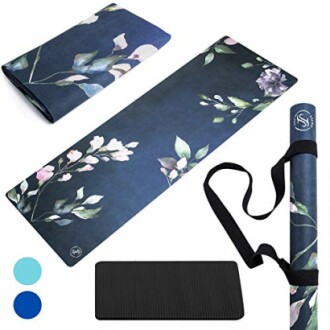 Top Choice
Foldable Lightweight - Thin Light Non-Slip Travel Yoga Mat Eco
The June & Juniper Light Yoga Mat is a multi-purpose, ultra-thin, and foldable mat ideal for adults of all ages.
Learn More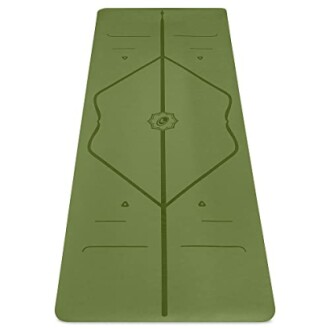 Budget-Friendly Option
Liforme Original Yoga Mat – Free Yoga Bag Included
With a patented alignment system and unparalleled grip, this mat is perfect for yogis at all levels.
Learn MoreMaintaining Your Yoga Mat
To extend the lifespan of your yoga mat, proper care is essential:
- **Clean regularly:** Use a gentle soap and water solution. Avoid harsh chemicals.
- **Store properly:** Keep your mat in a cool, dry place, away from direct sunlight.
- **Roll instead of folding:** Rolling helps maintain the mat's shape and prevents creases.
Conclusion
Finding your first sustainable yoga mat doesn't have to be complicated. Consider the eco-friendly materials, thickness, grip, and proper maintenance to make a wise purchase. Both the June Juniper Light Yoga Mat and the Liforme Original Yoga Mat are excellent choices that balance sustainability and performance, making your first mat a joyful part of your practice.