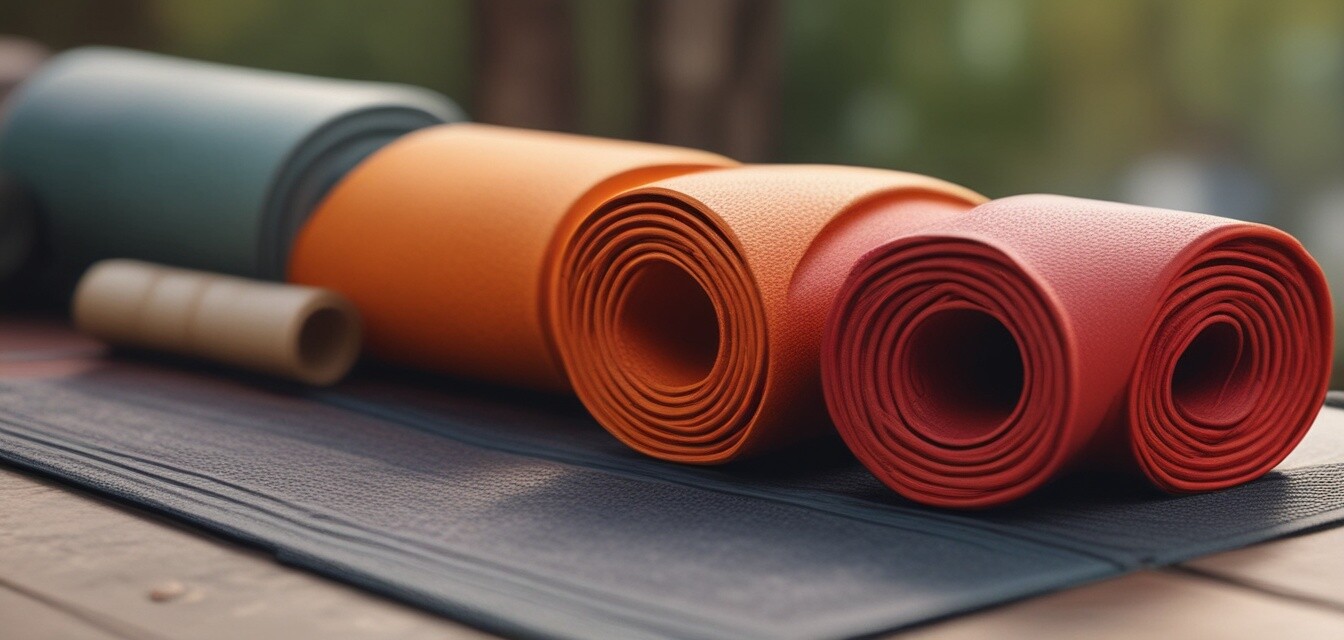
Eco Yoga Mats for Beginners: What to Know
Key Takeaways
- Eco yoga mats are made from sustainable materials that are better for the environment.
- Look for mats that provide adequate cushioning and support to prevent injury.
- Consider non-toxic, biodegradable options that align with your health and environmental values.
- Understand the importance of thickness, grip, and care requirements when selecting a mat.
- Research brands that prioritize ethical manufacturing and sustainability.
As you embark on your fitness journey, choosing the right equipment is vital, and eco yoga mats are a wonderful place to start. These mats not only support your practice but also align with your values of sustainability and eco-friendliness. This guide will delve into what to look for in eco yoga mats, allowing you to make informed choices that benefit both your health and the planet.
Understanding Eco Yoga Mats
Eco yoga mats are designed using materials that are sustainable and environmentally friendly. Unlike traditional mats, which may contain harmful chemicals, eco yoga mats ensure that your choices are beneficial for both your body and the planet.
Benefits of Using Eco Yoga Mats
- Made from natural or recyclable materials.
- Free from toxic chemicals and phthalates.
- Biodegradable and contribute to less plastic waste.
- Support ethical brands and conscious manufacturing processes.
What to Look for in Eco Yoga Mats
Material
When selecting a yoga mat, material is critical. Common eco-friendly materials include:
- Bamboo: Naturally anti-bacterial and biodegradable.
- Natural rubber: Provides excellent grip and cushioning.
- Jute: A sustainable fiber with a unique texture.
- TPE (Thermoplastic Elastomer): A greener alternative to PVC, recyclable and non-toxic.
Thickness and Cushioning
Your mat's thickness directly affects comfort and joint protection. Typically, mats range from 3mm to 9mm thick:
| Thickness (mm) | Recommended For |
|---|---|
| 3-4 | Intermediate yogis; great for stability. |
| 5-6 | Beginners; provides a good balance of comfort and stability. |
| 7-9 | Anyone with joint issues; maximum cushioning for comfort. |
Grip and Texture
A good grip prevents slipping during your practice, especially in heated classes. When choosing a mat, consider the following:
- Look for mats with a textured surface for added traction.
- Ensure the material has non-slip properties to maintain stability during poses.
Product Spotlight: Sensu Large Yoga Mat
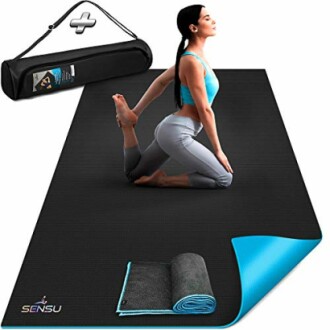 Eco-friendly workout essential
Sensu Large Yoga Mat
This eco-friendly yoga mat is 6’ x 4’ x 9mm thick, providing 30% more cushioning for improved comfort and stability.
Learn MoreCaring for Your Eco Yoga Mat
Proper care for your mat is essential to extend its life and maintain its features:
- Hand wash only with mild soap and water.
- Dry through air drying; avoid direct sunlight to prevent degradation.
- Store flat or rolled up to maintain its shape and texture.
Supporting Brands that Care
Choosing eco yoga mats made by responsible brands can lead to positive industry change. Here are a few brands that prioritize ethical manufacturing:
- Discover brands that practice ethical manufacturing.
- Learn more about sustainable materials used in fitness gear.
- Stay updated on the latest trends in eco-friendly fitness gear.
Conclusion
Your journey into yoga and fitness can be both fulfilling and sustainable. By choosing the right eco yoga mat, you actively contribute to the protection of our planet while taking care of your health. Remember to consider material, thickness, softness, and care when making your decision. With all these tips in mind, you're ready to find the mat that suits your needs best. Start your practice with confidence today!