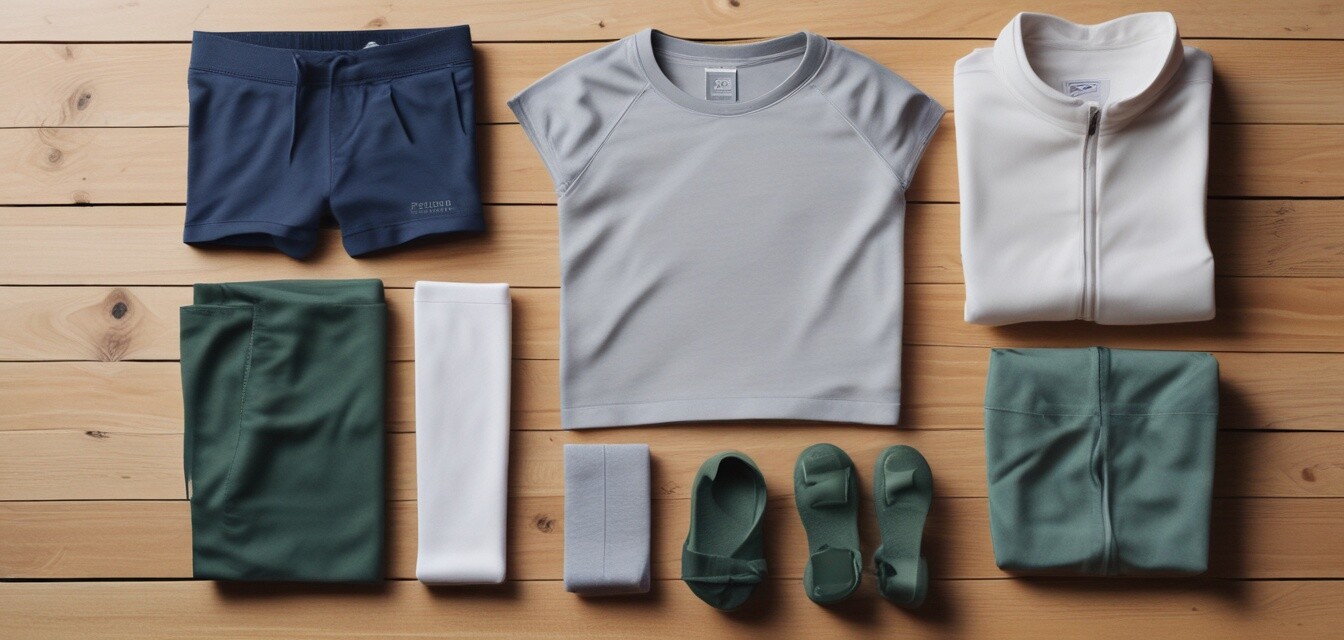
Starting with Organic Cotton Activewear: A Beginner's Guide
- Organic cotton activewear is softer and safer for your skin.
- Look for certifications to ensure sustainability and ethical production.
- Proper fit is essential for comfort during workouts.
- Organic cotton is environmentally friendly, making it a great choice for eco-conscious consumers.
Are you ready to embrace a healthier and more sustainable fitness journey? If you're a beginner wanting to make the switch to organic cotton activewear, you're already taking a step in the right direction! This guide will walk you through essential considerations like benefits, fit, and sustainability factors.
Why Choose Organic Cotton?
Organic cotton has gained popularity in recent years, especially in the fitness community. Here are some key reasons to consider integrating it into your wardrobe:
- Healthier for Your Skin: Free from harmful chemicals used in conventional cotton production.
- Breathability: Organic cotton is known for its breathability, making it comfortable for workouts.
- Environmentally Friendly: Grown without synthetic fertilizers or pesticides, minimizing your ecological footprint.
- Sustainable Practices: Many brands focus on ethical sourcing and fair wage practices.
Understanding Organic Cotton Certifications
When choosing organic cotton activewear, it's essential to look for certifications. Here’s a quick overview:
| Certification | Description |
|---|---|
| GOTS (Global Organic Textile Standard) | Ensures organic status of textiles and environmental and social criteria in their production. |
| OEKO-TEX | Tests for harmful substances in textiles to ensure they are safe for human health. |
| Fair Trade Certified | Guarantees fair wages and conditions for farmers and workers. |
Choosing the Right Fit
Having the right fit is crucial in organic cotton activewear. Here are some tips to help beginners navigate fit options:
- Know Your Measurements: Take accurate measurements of your bust, waist, hips, and inseam.
- Don't Compromise on Comfort: Ensure that garments allow for ease of movement without being overly loose.
- Consider Stretch: Look for blends that include a small amount of spandex or elastane for added flexibility.
Pros
- Soft and comfortable material for workouts.
- Environmentally friendly and sustainable.
- Available in various styles and colors.
Cons
- Can be more expensive than conventional fabrics.
- Limited availability in some regions.
Sustainable Brands to Consider
Popular Brands Offering Organic Cotton Activewear
 Top Choice
The Complete Magnolia Bakery Cookbook
Explore delicious recipes that include breakfast items perfect for fueling your workouts.
Learn MoreDesigning Your Workout Routine
Now that you’ve chosen your organic cotton activewear, it’s time to focus on developing a beginner-friendly workout routine. Here’s a simple weekly plan:
| Day | Activity |
|---|---|
| Monday | 20-minute brisk walk + stretching |
| Wednesday | Bodyweight circuit (squats, push-ups) - 2 sets of 10 reps |
| Friday | Light jog or bike ride for 20 minutes |
| Weekend | Rest or gentle stretching |
Tips for Staying Consistent
- Set reminders for workout sessions.
- Create a dedicated workout space at home.
- Find a workout buddy to keep you motivated.
Conclusion
Starting your journey with organic cotton activewear doesn’t have to be overwhelming. Focus on the benefits, fit, and sustainability of the clothes you choose. The steps you take today towards healthier living will serve you well in the long run. Remember, progress is about consistency—embrace the journey.