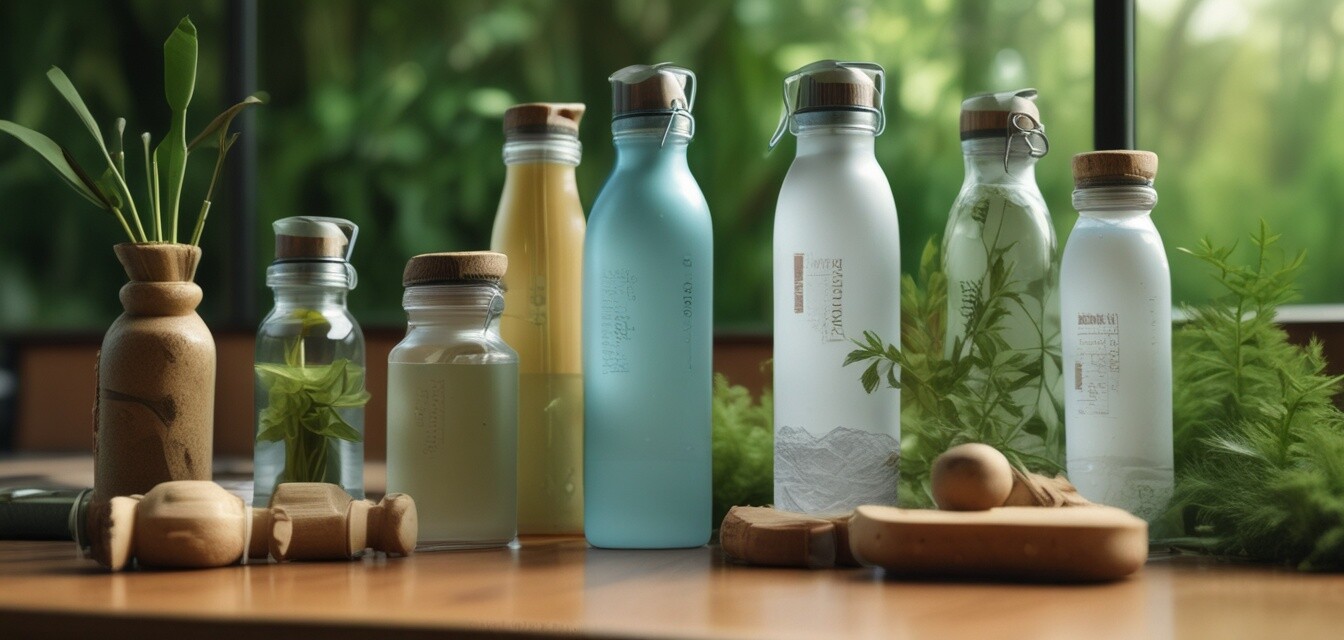
Top Eco-Friendly Hydration Tips for Beginners
Key Takeaways
- Opt for reusable water bottles to minimize plastic waste.
- Choose biodegradable or compostable straws for drinks.
- Incorporate hydration tracking into your routine for better water intake.
- Explore hydration options like herbal teas and infused water.
- Stay hydrated while being conscious of your environmental impact.
Hydration is essential for maintaining good health, especially as a beginner embarking on a fitness journey. However, the way we hydrate can significantly impact the environment. In this article, we will share some helpful eco-friendly hydration tips that not only keep you hydrated but also reduce your plastic footprint. Let’s dive in!
Understanding the Importance of Eco-Friendly Hydration
Hydration plays a crucial role in overall health, impacting everything from energy levels to digestion. However, the traditional methods of staying hydrated can often lead to excessive plastic waste. By adopting eco-friendly hydration practices, beginners can embrace a healthier lifestyle while contributing to the preservation of the planet.
Why Hydration Matters
Staying hydrated is vital for:
- Maintaining energy levels
- Improving concentration
- Supporting digestion
- Regulating body temperature
- Enhancing physical performance
Eco-Friendly Hydration Tips
1. Use Reusable Water Bottles
Choosing a reusable water bottle over single-use plastic bottles can significantly impact your plastic footprint. Look for options made from stainless steel, glass, or BPA-free plastic.
| Material | Benefits | Examples |
|---|---|---|
| Stainless Steel | Durable, insulated, keeps drinks cold | Hydro Flask, S’well |
| Glass | Non-toxic, recyclable, keeps tastes pure | LifeFactory, BKR |
| BPA-Free Plastic | Lightweight, budget-friendly | Nalgene, CamelBak |
2. Opt for Biodegradable Straws
If you enjoy sipping your beverages, consider using biodegradable or compostable straws made from materials like bamboo, paper, or stainless steel instead of plastic.
3. Hydration Tracking
Tracking your water intake is a simple yet effective way to ensure you're drinking enough. Use hydration tracking apps or even a journal to log your daily water consumption.
4. Try Herbal Teas and Infused Water
Enhance your hydration with herbal teas or infused water. This not only adds flavor but also provides additional nutrients without the need for sugary drinks or single-use containers.
5. Always Carry Water
Keep a water source with you wherever you go. This reduces the temptation to buy bottled water when you're out and about. Consider using a stylish tote to carry your reusable bottle!
Conscious Choices for Drinking Water
When it comes to the source of your drinking water, consider:
- Filtering tap water instead of buying bottled water.
- Connecting with local sources that provide clean drinking water.
- Exploring bulk water delivery options to minimize packaging waste.
FAQs About Eco-Friendly Hydration
What is the best eco-friendly water bottle?
The best eco-friendly water bottle is one made from sustainable materials like stainless steel or glass. These options are durable and significantly reduce plastic waste.
How can I flavor my water without extra plastic?
You can flavor your water naturally by adding slices of fruits, herbs, or even vegetables into your reusable bottle. This method is sustainable and avoids the use of plastic flavoring packets.
Are there any eco-friendly hydration products I should consider?
Yes! Look for hydration tracking products made from sustainable materials, as well as alternatives to traditional drinking vessels, such as collapsible cups and bowls.
Pros
- Helps minimize plastic waste.
- Encourages healthy hydration habits.
- Supports environmental sustainability.
- Variety in hydration options keeps things exciting.
Cons
- Initial investment for reusable items.
- Some alternatives may not be as convenient as single-use options.
Wrap Up
Staying hydrated doesn't have to come at the cost of the environment. By following these eco-friendly hydration tips, beginners can make a positive impact on their health and the planet. Start implementing these practices today to create a more sustainable hydration routine.
Further Reading
For more on how to integrate eco-friendly practices into your lifestyle, check out our blog categories: