


The Beginner's Guide to Fitness: Achieve Your Health Goals with Confidence
Starting a fitness journey can feel overwhelming. Maybe you're worried about getting injured, not knowing what to do, or simply unsure where to start. That's normal. The good news is, you don’t need to be an expert to begin. Building a solid base now sets you up for long-term success. Whether you want to lose weight, gain strength, or feel more energetic, this guide will walk you through everything you need to know as a beginner. Get ready to take the first step toward a healthier, happier you.
Understanding the Basics of Fitness
What Is Fitness? Definitions and Components
Fitness isn’t just about looking good. It’s about feeling good and being able to do daily activities with ease. It’s a mix of four main parts:
- Strength: How much weight your muscles can handle, like lifting boxes or climbing stairs.
- Endurance: Your stamina, like running or biking without getting tired.
- Flexibility: How well your muscles stretch, which helps prevent injuries.
- Cardiovascular health: Heart and lung strength, vital for overall energy and stamina.
Think of fitness like a balanced diet. You need all parts working together to stay healthy. If one part suffers, your overall fitness declines.
Benefits of Regular Exercise
Exercise is like oiling a machine—it keeps everything running smoothly. It can boost your mood, help control weight, and give you more energy. Scientific studies show that only 30 minutes of activity daily can reduce risks of heart disease, diabetes, and depression. Plus, regular exercise helps you sleep better. Overall, staying active makes life more manageable and enjoyable.
Common Fitness Myths Debunked
Many believe they need a gym to get fit, but that’s not true. You can work out at home or outdoors. Some think more exercise always equals better results; not so. Overdoing it can lead to injury or burnout. Fitness experts agree that consistent, moderate activity beats intense but sporadic workouts. Remember, quality matters more than quantity.
Setting Realistic Fitness Goals
The Importance of Goal-Setting
Clear goals motivate us. Without direction, it's easy to feel lost or give up. Setting targets like “I want to walk 3 times a week” or “I want to be able to run a mile” helps you stay focused. Use the SMART system—make goals specific, measurable, achievable, relevant, and time-bound—to stay on track.
How to Determine Your Starting Point
Before jumping in, assess where you are now. Test your endurance by walking or jogging for a few minutes. Strength can be checked with simple push-ups or sit-ups. Flexibility? Try touching your toes or stretching your arms overhead. Many fitness apps or trainers can help if you want a professional assessment.
Tracking Progress Effectively
Write down your workouts, or use apps to log activity. Take photos from different angles monthly; it’s motivating to see changes in body shape. Celebrate small wins like improved stamina or better flexibility. Remember, progress isn't always linear—be patient and adjust your goals if needed.
Designing a Beginner-Friendly Workout Routine
Types of Exercises Suitable for Beginners
Start slow with activities that match your current fitness level:
- Cardio: Walking, cycling, or swimming—easy on joints, great for heart health.
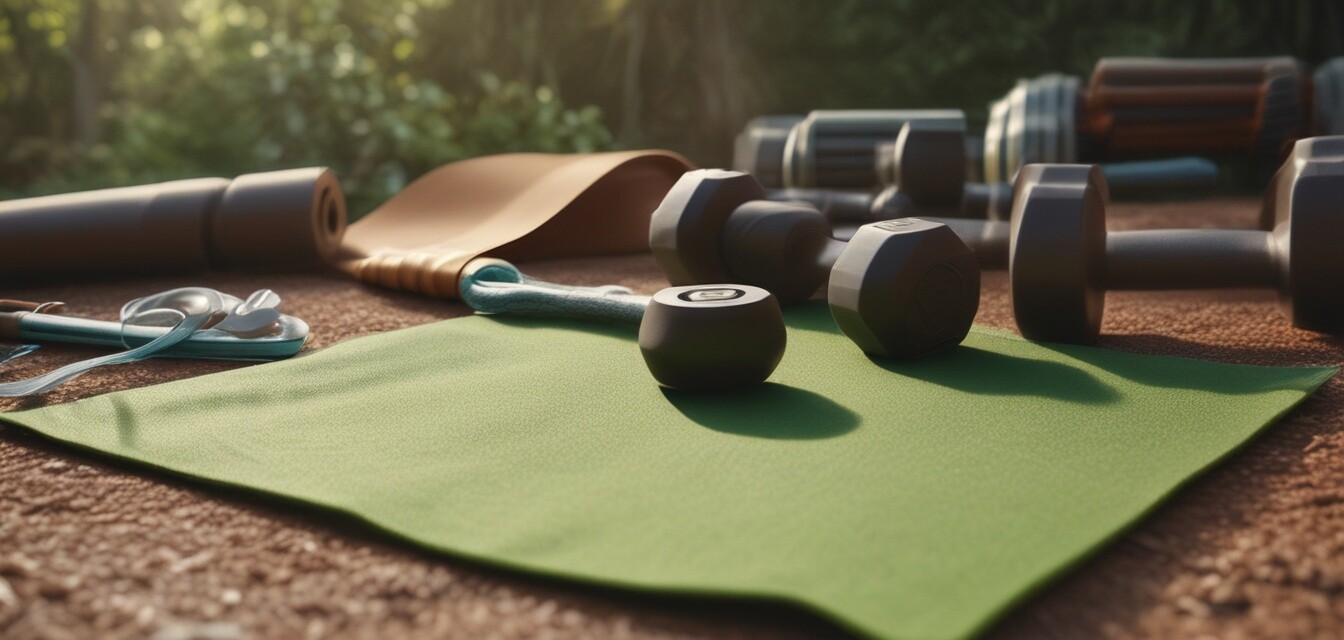
- Strength training: Bodyweight moves like squats, push-ups, or light dumbbell exercises.
- Flexibility exercises: Stretching or yoga to keep muscles limber.
Gradually increase intensity to avoid injury. Variety keeps workouts interesting and safe.
Sample Weekly Workout Plan
Here’s a simple plan to get you started:
- Monday: 20-minute brisk walk + stretch
- Wednesday: Basic bodyweight circuit (squats, push-ups, sit-ups) — 2 sets of 10 reps each
- Friday: Light jog or bike ride for 20 minutes
- Weekend: Rest or gentle stretching
Adjust durations based on your comfort level. Make sure to include rest days to allow your body to recover.
Tips for Staying Consistent
Set alarms or reminders for workouts. Create a dedicated space that encourages activity. Find a workout buddy or join a class to stay accountable. Mix different exercises to stay motivated and prevent boredom.
Nutrition and Hydration for Fitness
Fundamental Nutrition Principles
Eating right fuels your workouts and helps you recover. Focus on balanced meals with:
- Lean proteins like chicken or beans
- Whole grains such as oats or brown rice
- Fruits and vegetables for vitamins and minerals
- Healthy fats from nuts or avocados
Avoid processed foods high in sugar and fat, which can hinder your progress.
Hydration Tips
Water keeps your body running smoothly. Drink plenty before, during, and after exercise. Signs of dehydration include thirst, dry mouth, and fatigue. Keep a water bottle nearby, especially during outdoor activities.
Supplementation and Dietary Aids
Most beginners don’t need supplements. Focus on nutritious foods first. Some may consider protein powders or vitamins if their diet lacks certain nutrients, but consult a professional before adding anything new.
Overcoming Common Challenges and Staying Motivated
Managing Plateaus and Setbacks
It’s normal to hit a plateau. If progress stalls, tweak your routine—increase intensity, add new exercises, or give your body more rest. Remember, setbacks happen. Stay resilient. Give yourself grace and keep moving forward.
Injury Prevention and Safety Tips
Always warm up before workouts and cool down afterward. Use correct form to avoid strains. If something hurts, stop. Recognize signs of overtraining—fatigue, soreness, or irritability—and rest when needed.
Building a Support System
Find friends or family members to work out with, or join local classes and online groups. Sharing your goals with others boosts motivation. Community support makes the journey more fun and keeps you accountable.
Conclusion
Starting your fitness journey doesn’t have to be complicated. Focus on simple steps: start slow, set clear goals, stay consistent, and prioritise safety. Remember, fitness is about progress, not perfection. Embrace each small victory along the way. With patience and persistence, you’ll build confidence and develop habits that last a lifetime. The best time to start is today—take that first step with a manageable plan and see how far you can go. Jump in now and watch your life change!